
What is Zero Liquid Discharge & Why is it Important?
Water is one of the most precious resources for industries and communities. However, many industries generate significant amounts of wastewater during their manufacturing processes. If this wastewater is directly discharged into the environment, it can cause serious pollution and damage ecosystems. This is where Zero Liquid Discharge (ZLD) technology becomes important.
In recent years, many industries have started adopting ZLD plants to reduce water pollution and reuse wastewater efficiently. In this blog, we will explain what is ZLD plant, how the ZLD plant process works, and why it is becoming essential for industries today.
What is ZLD Plant?
A ZLD plant is an advanced water treatment system that ensures no liquid waste leaves the plant. In simple words, all wastewater generated in an industrial facility is treated, purified, and recycled so that nothing is discharged into the environment. Instead of releasing wastewater, the system separates clean water and solid waste. The recovered water can be reused in the industrial process, while the solid waste is safely disposed of.
“A system that treats industrial wastewater and converts it into reusable water with zero liquid discharge.”
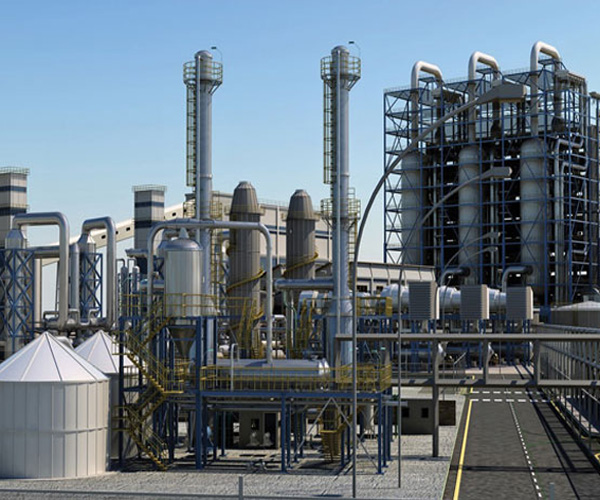
What is Zero Liquid Discharge System?
A zero liquid discharge system is an advanced combination of physical, chemical, and thermal treatment processes designed to recover reusable water from industrial effluents.This system typically includes:
- Pre-treatment units
- Membrane-based filtration
- Evaporation and crystallization
- Solid waste handling
The treated water is reused within the plant, while salts and solids are safely disposed of or recovered.
Why is ZLD Technology Important?
Industries use large volumes of water for production, cleaning, cooling, and other processes. This generates wastewater that often contains chemicals, salts, heavy metals, and other contaminants. Without proper treatment, this wastewater can pollute rivers, lakes, and groundwater. A ZLD plant solves this problem by completely eliminating liquid waste discharge.
Key reasons why ZLD is important:
1. Environmental Protection- The biggest advantage of a ZLD system is that it prevents industrial wastewater from entering natural water bodies.
2. Water Conservation- With increasing water scarcity, industries must reuse water. ZLD systems recover a large percentage of water for reuse.
3. Government Regulations- Many industries must follow strict pollution control rules. In many cases, installing a ZLD plant in India has become mandatory for sectors such as textiles, pharmaceuticals, chemicals, and power plants.
4. Sustainable Industrial Growth- ZLD technology supports sustainable manufacturing by reducing water consumption and environmental impact.
ZLD Plant Process Explained
The ZLD plant process involves multiple stages of wastewater treatment. Each stage removes different types of impurities from the water. Although the design may vary depending on the industry, the basic ZLD plant process includes the following steps.
1. Pre-Treatment- In the first stage, large particles and suspended solids are removed from wastewater using physical and chemical treatment methods. Common processes include Screening, Chemical dosing, Clarification & Filtration. This stage prepares the water for further treatment.
2. Primary Treatment- After pre-treatment, the wastewater is passed through processes such as Reverse Osmosis (RO) or Ultrafiltration (UF). These technologies help remove dissolved salts, organic matter, and other contaminants. A large portion of clean water is recovered at this stage and can be reused.
3. Evaporation- The remaining wastewater still contains high concentrations of dissolved solids. To treat this water, the system uses evaporators. Evaporation converts the remaining liquid into vapor, leaving behind concentrated brine. The vapor is then condensed into purified water that can be reused in the plant.
4. Crystallization- In the final stage of the ZLD plant process, crystallizers convert the concentrated brine into solid salts or crystals. These solid residues are collected and safely disposed of. At the end of the process, no liquid waste is discharged, which is why it is called Zero Liquid Discharge.
ZLD Plant Process Flow Diagram
A typical ZLD plant process flow diagram shows how wastewater moves through different treatment stages. Although the exact design varies, the general flow is as follows:
- Industrial wastewater collection
- Pre-treatment (screening, clarification)
- Membrane treatment (RO/UF systems)
- Evaporator system
- Crystallizer unit
- Recovery of reusable water
- Solid waste disposal
The ZLD plant process flow diagram helps engineers understand how water is treated step by step before being recycled.
Industries That Use ZLD Plants
Many industries generate wastewater with high salt or chemical content. These industries often require ZLD plants to manage their wastewater safely. Some major sectors using ZLD plant in India include:
- Textile and dyeing industries
- Pharmaceutical manufacturing
- Chemical processing plants
- Food and beverage industries
- Power plants
- Steel and metal industries
Due to strict environmental regulations, the demand for ZLD plants in India is increasing rapidly.
ZLD Plant Cost
One common question industries ask is about ZLD plant cost. The ZLD plant cost depends on several factors, such as Wastewater quantity, Contaminant concentration, Type of industry, Technology used and Plant capacity. Small systems may cost a few lakhs, while large industrial ZLD systems can cost several crores. Although the ZLD plant cost can be high initially, industries benefit in the long run because they can reuse water, reduce freshwater consumption, and comply with environmental regulations.
Benefits of Installing a ZLD Plant
Installing a ZLD plant provides several advantages for industries.
1. Complete Wastewater Recycling- Almost all water used in industrial processes can be recovered and reused.
2. Reduced Freshwater Demand- Recycling treated water helps industries reduce their dependence on freshwater sources.
3. Compliance with Environmental Laws- Many pollution control boards require industries to implement ZLD systems.
4. Long-Term Cost Savings- Even though the ZLD plant cost may be high initially, industries save money by reducing water purchase and wastewater disposal costs.
5. Improved Environmental Responsibility- Companies using ZLD technology demonstrate commitment to sustainability and environmental protection.
Future of ZLD Technology
With increasing water scarcity and strict environmental regulations, the demand for ZLD plants in India is expected to grow rapidly.
Industries are becoming more aware of sustainable wastewater management solutions. As technology advances, the ZLD plant process is also becoming more efficient and cost-effective.
Companies that adopt ZLD systems today will be better prepared to meet future environmental challenges.
Conclusion
Understanding what is ZLD plant is essential for industries that want to manage wastewater responsibly. The ZLD plant full form, Zero Liquid Discharge Plant, represents a technology designed to eliminate liquid waste completely.
Through a combination of filtration, evaporation, and crystallization processes, the ZLD plant process treats wastewater and converts it into reusable water and solid waste.
Although the ZLD plant cost can vary depending on the size and technology used, the long-term benefits include water conservation, regulatory compliance, and environmental protection.
With growing industrial development and stricter environmental policies, ZLD plant in India is becoming a key solution for sustainable wastewater management.