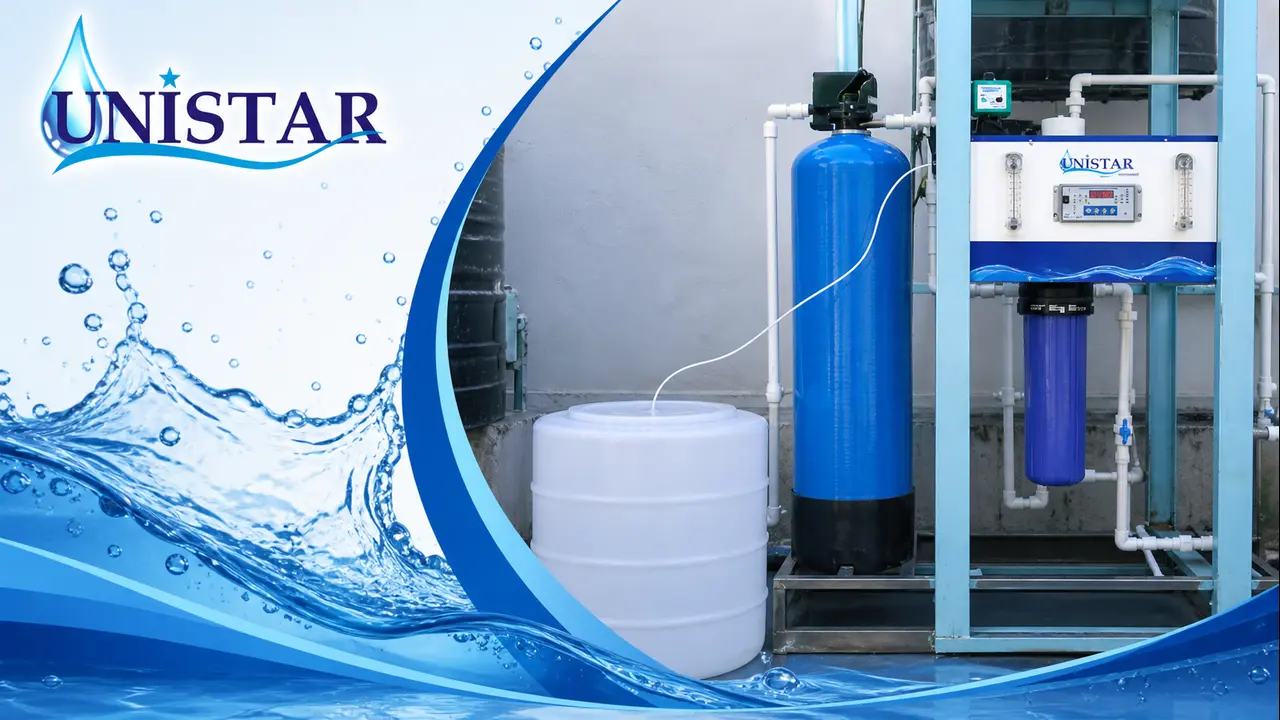
It is necessary to have clean water in every household, office, and manufacturing plant. Hence, it is common that people today choose reverse osmosis (RO) water purification systems. The reverse osmosis system is renowned for its ability to filter out all impurities, salt, chemicals, and bacteria present in water. But then, as is the case with any other invention, there are always advantages and disadvantages of reverse osmosis systems.
Also Read: What Is an Industrial RO Plant And How Does It Work?
Advantages of Reverse Osmosis Systems
There are many advantages of reverse osmosis systems that make them one of the most trusted water purification technologies.
1. Removes Harmful Contaminants
One of the biggest advantages of reverse osmosis is its ability to remove impurities like lead, arsenic, fluoride, chlorine, nitrates, bacteria, viruses, and dissolved salts. It provides cleaner and safer water for drinking and cooking.
2. Improves Water Taste and Odor
RO systems effectively remove chemicals and impurities that affect the taste and smell of water. The purified water tastes fresh, clean, and odor-free.
3. Reduces Total Dissolved Solids (TDS)
RO technology helps reduce excess TDS levels in water. This is especially useful in areas where groundwater contains high levels of dissolved salts.
4. Better for Household Appliances
Purified water prevents scale formation in kitchen appliances like kettles, coffee makers, and water heaters. This improves appliance performance and increases their lifespan.
5. Low Maintenance System
Modern RO systems are designed for easy operation and maintenance. Regular filter replacement and periodic servicing keep the system working efficiently for a long time.
6. Eco-Friendly Alternative
Using an RO water purifier reduces dependency on bottled water, which helps minimize plastic waste and supports environmental sustainability.
7. Suitable for Multiple Applications
RO systems are used in residential, commercial, and industrial sectors. From homes to pharmaceutical plants, the technology is highly versatile and reliable.
Disadvantages of Reverse Osmosis Systems
While RO systems offer many benefits, there are also some disadvantages of reverse osmosis that users should understand before installation.
1. Water Wastage
One of the major disadvantages of reverse osmosis systems is water wastage during the purification process. RO systems reject a certain amount of water while filtering impurities.
2. Removes Essential Minerals
RO purification removes not only harmful contaminants but also some natural minerals like calcium and magnesium. This is considered one of the common disadvantages of ro water.
3. Requires Electricity
Most RO systems require electricity to operate efficiently. In areas with frequent power cuts, this can become a challenge.
4. Regular Maintenance Needed
Filters and membranes need timely replacement for proper performance. Ignoring maintenance can reduce purification efficiency and water quality.
5. Slower Water Filtration
Compared to normal water filters, RO systems may take more time to purify water because the process works through a fine membrane.
RO Water Disadvantages You Should Know
There are several RO water disadvantages that are often discussed by users and experts. Since RO water contains lower mineral content, some people believe long-term consumption may reduce intake of natural minerals. However, most daily minerals come from food rather than drinking water.
Another point among the disadvantages of ro water is that improper maintenance can affect water quality. This is why choosing a high-quality RO system and timely servicing is important.
Are Reverse Osmosis Systems Worth It?
Despite some limitations, RO systems remain one of the most effective water purification solutions available today. The advantages and disadvantages of reverse osmosis should always be compared based on water quality, usage requirements, and health concerns. In areas with high TDS levels or contaminated groundwater, RO systems provide significant health and safety benefits. Choosing the right system with proper maintenance can help overcome many common disadvantages.
Tips to Improve RO System Performance
- Replace filters and membranes on time
- Use systems with water-saving technology
- Choose mineral-enhancing RO systems if needed
- Schedule regular maintenance and servicing
- Check water quality periodically
Conclusion
Learning about both the benefits and disadvantages of reverse osmosis makes consumers well-informed regarding water purification systems. The benefits of reverse osmosis include water quality improvement, elimination of impurities, enhanced flavor, and safe drinking water. Conversely, the disadvantages of reverse osmosis such as waste of water, mineral loss, and maintenance are equally important considerations.
With proper use and maintenance, reverse osmosis systems will be helpful in the long run in many different situations. At Unistar Aquatech Private Limited, our water treatment technology ensures safe and effective water purification processes.