Water is one of the major resources that have wide-ranging industrial applications around the globe. In most cases, industrial operations produce a great deal of wastewater that if released into the environment without proper treatment poses significant risks for environmental pollution and, in some cases, results in legal consequences. Here comes the importance of installing a wastewater treatment plant.
In this blog, we will discuss what is wastewater treatment plant, how it works, its benefits, and why every industry should invest in an efficient waste treatment plant for sustainable operations.
What Is a Wastewater Treatment Plant?
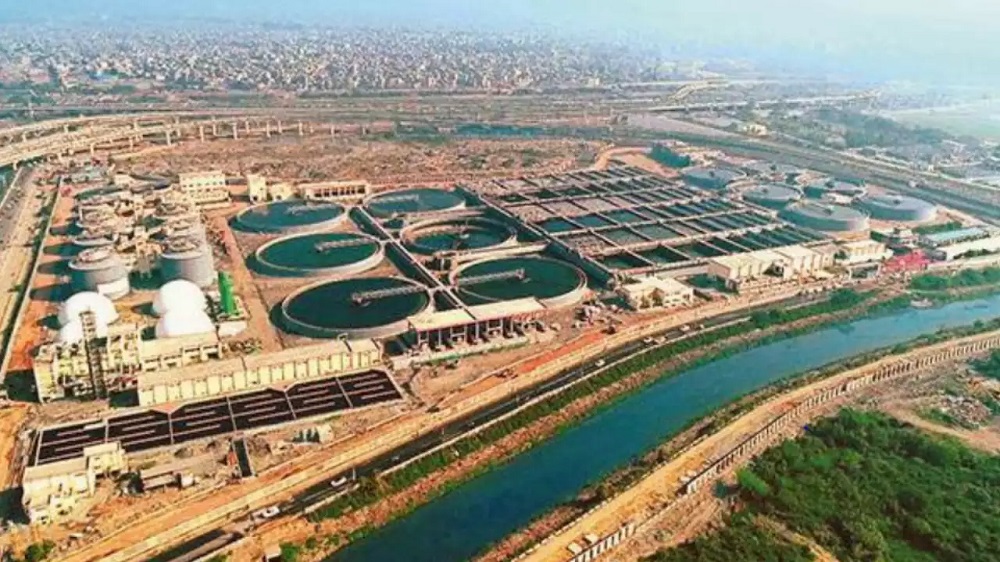
A wastewater treatment plant is a facility designed to remove contaminants, pollutants, and harmful substances from industrial or domestic wastewater before it is discharged into the environment or reused for various purposes.
The primary goal of a wastewater treatment plant is to improve water quality by eliminating suspended solids, organic matter, chemicals, oils, bacteria, and other pollutants. After treatment, the water can either be safely released into natural water bodies or recycled for industrial processes.
Many people search for what is wastewater treatment plant because industries today are under increasing pressure to comply with environmental regulations while conserving water resources. A properly designed treatment system helps achieve both objectives effectively.
Read more about The Four Stages of Wastewater Treatment Plant
Why Is Wastewater Treatment Important?
Industrial wastewater contains various contaminants that can negatively impact human health and the environment. Untreated wastewater may contain:
- Chemicals and toxic compounds
- Heavy metals
- Oils and grease
- Organic waste
- Suspended solids
- Harmful microorganisms
Without proper treatment, these pollutants can contaminate rivers, lakes, groundwater, and agricultural land. A modern waste treatment plant helps industries minimize environmental impact and comply with pollution control standards.
How Does a Wastewater Treatment Plant Work?
The process of treating wastewater involves multiple stages designed to remove different types of contaminants.
1. Preliminary Treatment
This is the first stage where large debris, plastics, rags, and other solid materials are removed using screens and grit chambers.
Benefits:
- Protects equipment from damage
- Improves treatment efficiency
- Reduces operational issues
2. Primary Treatment
In this stage, wastewater is held in sedimentation tanks where heavier particles settle at the bottom as sludge while lighter materials float to the surface.
The primary treatment process removes a significant portion of suspended solids and organic matter.
3. Secondary Treatment
Secondary treatment uses biological processes to break down dissolved organic pollutants.
Common technologies include:
- Activated Sludge Process
- MBBR (Moving Bed Biofilm Reactor)
- SBR (Sequential Batch Reactor)
- Aeration Systems
This stage significantly improves water quality by reducing BOD (Biochemical Oxygen Demand) and COD (Chemical Oxygen Demand).
4. Tertiary Treatment
Tertiary treatment provides advanced purification through filtration, chemical treatment, and disinfection.
Common methods include:
- Sand filtration
- Activated carbon filtration
- UV treatment
- Chlorination
- Reverse Osmosis (RO)
This stage ensures that the treated water meets environmental discharge standards or can be reused.
5. Sludge Treatment
The sludge generated during treatment is processed separately through thickening, dewatering, and disposal methods to reduce environmental impact.
Types of Wastewater Generated by Industries
Different industries generate different types of wastewater. Some common examples include:
- Textile Industry- Contains dyes, chemicals, and suspended solids.
- Food Processing Industry- Contains organic waste, fats, oils, and grease.
- Pharmaceutical Industry- Contains complex chemical compounds and active ingredients.
- Chemical Manufacturing Industry- Produces wastewater containing hazardous substances.
- Power Plants- Generate cooling water and chemically contaminated wastewater.
Each industry requires a customized wastewater treatment plant based on the nature and volume of wastewater produced.
Why Does Your Industry Need a Wastewater Treatment Plant?
Compliance with Environmental Regulations
Government agencies have established strict wastewater discharge standards. Industries failing to comply may face:
- Heavy penalties
- Legal action
- Operational restrictions
- Reputation damage
A properly designed waste treatment plant ensures compliance with environmental laws and regulations.
Water Conservation
Water scarcity is becoming a major concern worldwide. Treated wastewater can be reused for:
- Cooling systems
- Boiler feed applications
- Landscaping
- Cleaning operations
- Process water requirements
This reduces freshwater consumption and operational costs.
Environmental Protection
Industrial wastewater can significantly impact aquatic ecosystems if discharged untreated.
A reliable wastewater treatment plant helps protect:
- Rivers
- Lakes
- Groundwater resources
- Marine life
- Agricultural land
Improved Corporate Image
Customers, investors, and stakeholders increasingly prefer businesses that follow sustainable practices.
Installing a modern wastewater treatment system demonstrates environmental responsibility and enhances brand reputation.
Cost Savings
Although installing a treatment system requires investment, it can generate long-term savings through:
- Reduced water procurement costs
- Lower environmental penalties
- Water reuse opportunities
- Improved operational efficiency
Benefits of a Modern Waste Treatment Plant
Industries can enjoy several advantages by implementing an advanced wastewater treatment solution.
- Reduced Pollution- Effective treatment removes harmful contaminants before discharge.
- Better Resource Management- Water can be recovered and reused within industrial operations.
- Regulatory Compliance- Helps meet local and national pollution control standards.
- Sustainable Operations- Supports environmental sustainability goals and ESG initiatives.
- Enhanced Workplace Safety- Reduces exposure to harmful chemicals and pollutants.
- Future-Proof Business Growth- As environmental regulations become stricter, industries with proper treatment infrastructure remain better prepared.
Common Technologies Used in Wastewater Treatment Plants
Modern treatment facilities use advanced technologies for improved performance.
Some popular technologies include:
- MBBR Technology- Provides efficient biological treatment with high treatment capacity and lower space requirements.
- SBR Technology- Offers excellent treatment performance and operational flexibility.
- Reverse Osmosis Systems- Used for advanced purification and water recycling applications.
- UF and MF Systems- Ultrafiltration and microfiltration remove fine suspended particles and microorganisms.
- Zero Liquid Discharge (ZLD)- A highly advanced solution that recovers nearly all water while eliminating liquid waste discharge.
Factors to Consider Before Installing a Wastewater Treatment Plant
Before selecting a treatment system, industries should evaluate:
- Wastewater characteristics
- Daily wastewater volume
- Available installation space
- Regulatory requirements
- Future expansion plans
- Desired level of water reuse
Working with an experienced wastewater treatment company ensures the system is properly designed for long-term performance.
Conclusion
A wastewater treatment plant is no longer an optional investment for industries—it is a necessity. Understanding what is wastewater treatment plant and its role in industrial operations can help businesses improve sustainability, reduce environmental impact, and comply with regulatory requirements.
A well-designed waste treatment plant not only treats wastewater effectively but also creates opportunities for water reuse, cost savings, and responsible industrial growth. As industries continue to focus on sustainability and resource conservation, investing in an efficient wastewater treatment plant is one of the smartest decisions for long-term success.
At Unistar Aquatech Private Limited, we provide advanced wastewater treatment solutions tailored to the unique needs of various industries, helping businesses achieve compliance, sustainability, and operational excellence.