Water is one of the most valuable natural resources on Earth, yet increasing industrialization, urbanization, and population growth have placed immense pressure on available water sources. Pollution of surface water and groundwater has become a serious environmental concern worldwide. This is where a water treatment plant plays a vital role. A properly designed and operated Water Treatment Plant ensures that polluted or raw water is treated effectively and made safe for human use while also protecting the environment.
Unistar Aquatech Private Limited specialize in providing advanced and reliable water treatment solutions that help industries, municipalities, and commercial establishments manage water responsibly and prevent water pollution.
What Is a Water Treatment Plant?
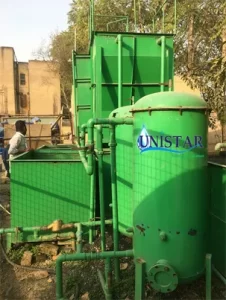
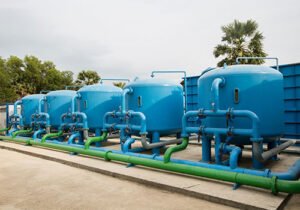
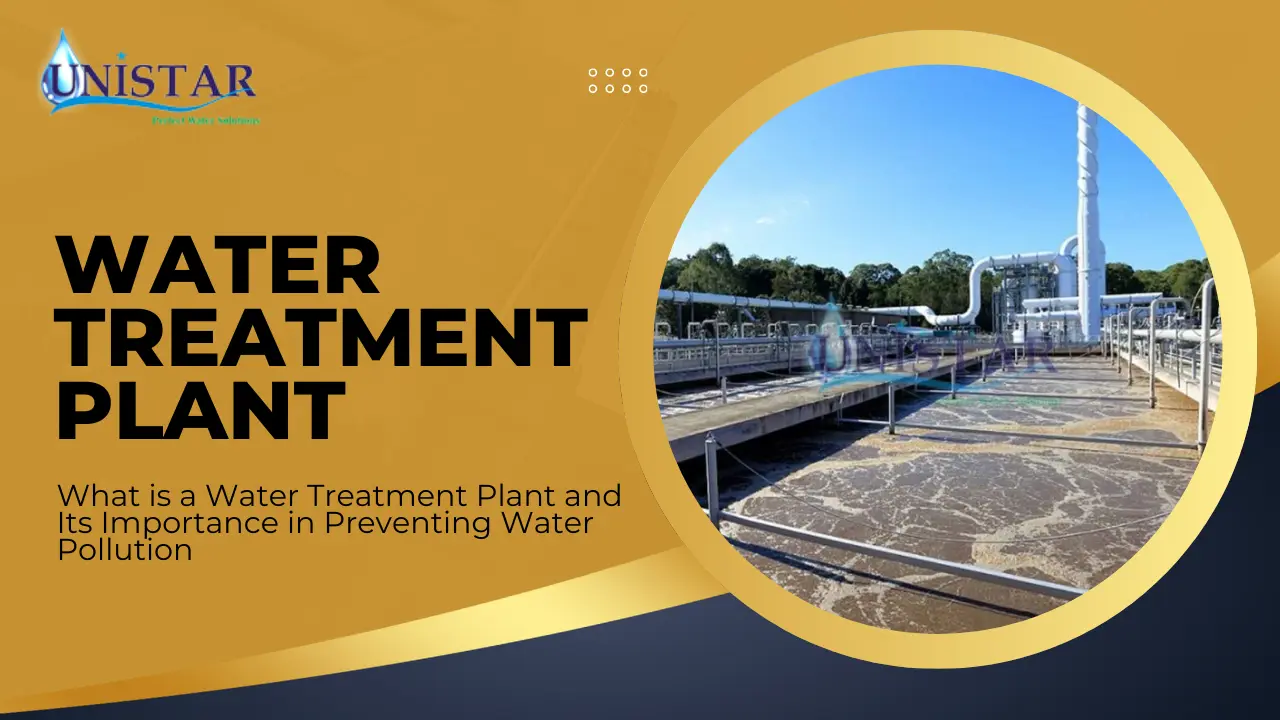
A water treatment plant is a facility where raw water from natural sources such as rivers, lakes, borewells, or reservoirs is treated through various physical, chemical, and biological processes to remove contaminants and make it suitable for its intended use.
What is WTP?
WTP full form is Water Treatment Plant. A WTP water treatment plant is designed to remove impurities such as suspended solids, harmful microorganisms, dissolved chemicals, organic matter, and other pollutants from water. Depending on the application, treated water may be used for:
- Drinking purposes
- Industrial processes
- Cooling systems
- Boiler feed water
- Commercial and institutional use
Why Water Treatment Is Necessary?
Untreated water often contains:
- Harmful bacteria and viruses
- Toxic chemicals and heavy metals
- Suspended particles like sand, silt, and mud
- Organic waste and industrial pollutants
If such water is discharged directly into rivers or reused without treatment, it causes water pollution, threatens aquatic life, and creates serious health hazards for humans. A water-treatment plant ensures that contaminants are removed before water is consumed or released back into the environment.
How a Water Treatment Plant Works?
Understanding the working process helps clarify what is water-treatment plant is in practical terms. Although the exact design varies depending on water quality and application, most WTP water-treatment plant systems follow these core stages:
- Screening and Pre-Treatment- Large debris such as leaves, plastics, and stones are removed to protect downstream equipment.
- Coagulation and Flocculation- Chemicals (coagulants) are added to bind fine particles together into larger flocs, making them easier to remove.
- Sedimentation- Heavy flocks settle at the bottom of the tank due to gravity. This step significantly reduces turbidity.
- Filtration- Water passes through sand, gravel, or activated carbon filters to remove remaining fine particles and impurities.
- Disinfection- Disinfectants like chlorine, ozone, or UV are used to kill bacteria, viruses, and other pathogens.
- Treated Water Storage and Distribution- Clean water is stored and supplied for drinking, industrial use, or further processing. Each stage in a water-treatment plant plays a critical role in improving water quality and preventing pollution.
Importance of Water Treatment Plant in Preventing Water Pollution
A water-treatment plant is not just about producing clean water; it is a key component in environmental protection. Below are the major ways a WTP water-treatment plant helps prevent water pollution:
- Protects Natural Water Bodies- By treating water before discharge, WTPs prevent harmful pollutants from entering rivers, lakes, and groundwater sources.
- Reduces Health Risks- Untreated water can spread diseases such as cholera, typhoid, and dysentery. A proper water-treatment plant ensures safe and hygienic water.
- Supports Sustainable Industrial Growth- Industries generate wastewater containing chemicals and heavy metals. Treating and reusing water reduces environmental impact and fresh water consumption.
- Prevents Soil and Groundwater Contamination- Discharging untreated water can contaminate soil and groundwater. A WTP water treatment plant minimizes this risk.
- Helps Meet Environmental Regulations- Government pollution control boards mandate strict discharge norms. Installing a water-treatment plant helps organizations comply with legal requirements.
Types of Water Treatment Plants
Different applications require different treatment systems. Common types include:
- Drinking Water-Treatment Plant
- Industrial Water-Treatment Plant
- RO-Based Water-Treatment Plant
- Demineralization (DM) Plant
- Softener-Based WTP
At Unistar Aquatech Private Limited, we design customized WTP water-treatment plant solutions based on raw water quality, industry type, and end-use requirements.
Role of Water Treatment Plants in Sustainable Water Management
With increasing water scarcity, sustainable water management has become essential. A water treatment plant enables:
- Water reuse and recycling
- Reduced dependency on freshwater sources
- Lower operational costs for industries
- Conservation of natural ecosystems
Understanding what is WTP is crucial for organizations aiming to reduce their environmental footprint and operate responsibly.
Why Choose Unistar Aquatech Private Limited?
Unistar Aquatech Private Limited offer end-to-end solutions for water treatment plant design, manufacturing, installation, and maintenance. Our systems are built using advanced technology and high-quality components to ensure efficiency, durability, and compliance with environmental standards. Our Key Strengths:
- Customized WTP solutions
- Energy-efficient and cost-effective designs
- Compliance with pollution control norms
- Experienced technical team
- Reliable after-sales support
Whether you are looking to understand what is water treatment plant or planning to install a WTP water treatment plant, our experts are ready to assist you.
Conclusion
Water pollution is one of the biggest environmental challenges of modern times, and a water treatment plant is one of the most effective solutions to combat it. By understanding what is water treatment plant, what is WTP, and the WTP full form, industries and municipalities can make informed decisions toward responsible water usage.
A well-designed WTP water treatment plant not only provides safe and clean water but also protects natural resources, supports sustainable development, and ensures compliance with environmental regulations. Investing in a reliable water treatment plant is not just a necessity—it is a commitment to a cleaner, healthier, and more sustainable future.
For advanced and dependable water treatment solutions, Unistar Aquatech Private Limited stands as a trusted partner in preventing water pollution and promoting sustainable water management.