Water pollution is considered one of the greatest environmental issues that industries and urban centers have to cope with at present. In view of the increasing number of pollutants discharged into the environment through the process of wastewater discharge, there is a need for treating the effluents. There are two main systems for wastewater treatment, and these include the ETP and STP systems.
Many people often confuse these two systems because both are designed to treat wastewater. However, there are significant differences in their purpose, design, treatment processes, and applications. Understanding the difference between effluent and sewage treatment is important for selecting the right solution for your facility.
In this blog, we will explore the difference between effluent and sewage treatment plants, their working principles, benefits, and industrial applications.
Read more about Sewage Treatment Plant (STP): Definition, Process, Advantages & Disadvantages
What Is an Effluent Treatment Plant? A Comprehensive Guide
Difference Between Sewage and Effluent
Understanding the difference between effluent and sewage begins with understanding the source of wastewater.
Source of Wastewater
Sewage
Sewage originates from domestic and sanitary activities such as:
- Toilets
- Bathrooms
- Kitchens
- Laundry operations
Effluent
Effluent is generated from industrial and manufacturing processes. It often contains chemicals and pollutants that require specialized treatment methods.
This is one of the primary distinctions in the difference between effluent and sewage treatment systems.
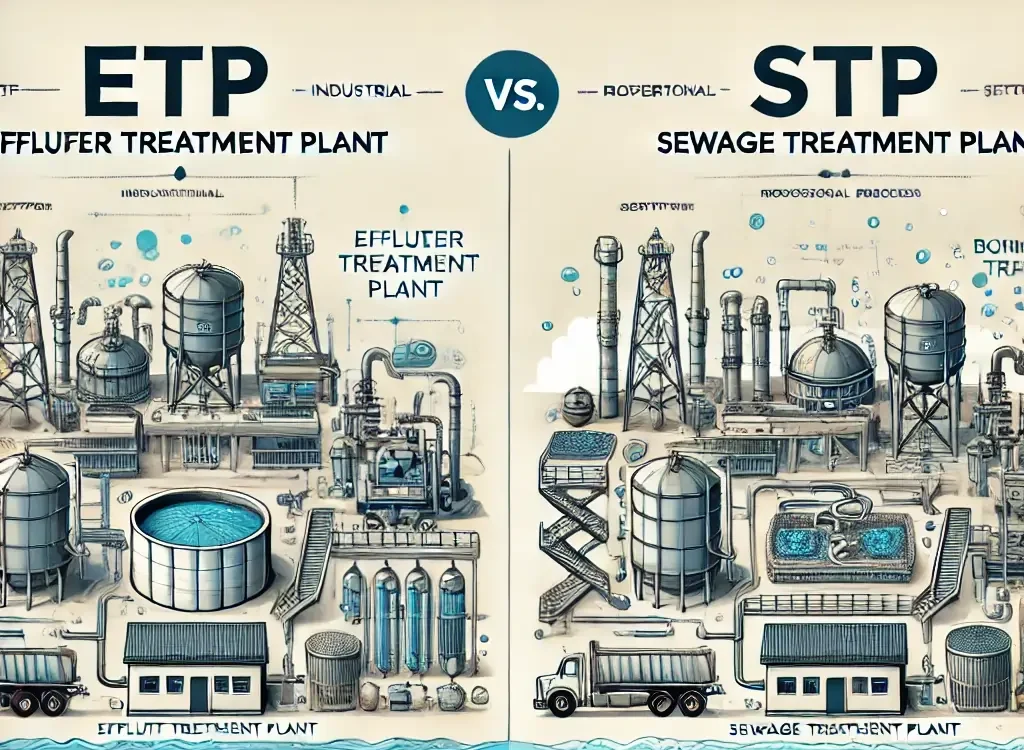
Difference Between Effluent and Sewage Treatment Plants
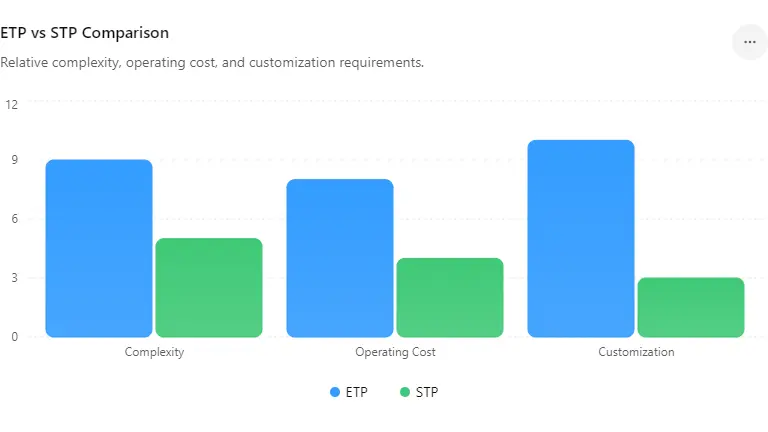
| Parameter | Effluent Treatment Plant (ETP) | Sewage Treatment Plant (STP) |
|---|---|---|
| Source of Wastewater | Industrial wastewater | Domestic sewage wastewater |
| Wastewater Type | Chemicals, oils, dyes, heavy metals, industrial waste | Human waste, kitchen waste, bathroom wastewater |
| Primary Purpose | Remove industrial pollutants | Remove organic and biological contaminants |
| Complexity | High | Moderate |
| Treatment Process | Chemical + Physical + Biological Treatment | Mainly Biological Treatment |
| Pollutants Present | Toxic chemicals, heavy metals, oils | Organic matter, pathogens, suspended solids |
| Operating Cost | Higher | Lower |
| Maintenance Requirement | High | Moderate |
| Industries/Facilities | Textile, Pharma, Chemical, Food Processing Industries | Residential Societies, Hotels, Hospitals, Commercial Buildings |
| Water Reuse Applications | Industrial processes, cooling towers, boiler feed water | Gardening, flushing, landscaping |
| Environmental Compliance | Industrial Pollution Control Norms | Municipal and Sewage Disposal Standards |
| Customization Requirement | Highly customized based on industry | Generally standardized systems |
Components of an Effluent Water Treatment Plant
A modern effluent water treatment plant may include:
- Equalization Tank- Balances wastewater flow and pollutant concentration.
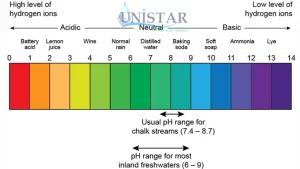
- Neutralization Tank- Adjusts pH levels before further treatment.
- Chemical Treatment Unit- Removes suspended solids and dissolved contaminants.
- Biological Treatment Unit- Reduces organic pollutants using microorganisms.
- Filtration System- Removes fine particles and residual contaminants.
- Sludge Handling System- Processes and disposes of sludge generated during treatment.
These components work together to achieve effective effluent water treatment.
Components of a Sewage Treatment Plant
A typical STP includes:
- Screening Chamber- Removes large solids and debris.
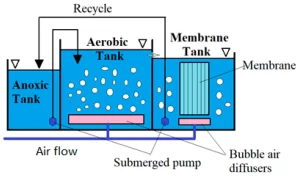
- Aeration Tank- Provides oxygen to microorganisms that break down organic matter.
- Secondary Clarifier- Separates treated water from biological sludge.
- Disinfection Unit- Kills harmful pathogens before discharge or reuse.
- Sludge Management System- Handles the sludge generated during treatment.
Which Treatment Plant Does Your Facility Need?
The choice between an STP and an ETP depends entirely on the source of wastewater.
You Need an STP If:
- Wastewater comes from domestic activities.
- You operate residential or commercial facilities.
- The wastewater contains primarily organic pollutants.
You Need an ETP If:
- Wastewater comes from manufacturing processes.
- Industrial chemicals are present.
- Environmental regulations require specialized treatment.
Some large industrial facilities may require both systems because they generate both industrial effluent and domestic sewage.
Future Trends in Wastewater Treatment
Modern treatment facilities are increasingly adopting advanced technologies such as:
- Membrane filtration
- Reverse osmosis systems
- Zero Liquid Discharge (ZLD)
- Smart monitoring systems
- Energy-efficient treatment processes
These innovations improve treatment efficiency while reducing environmental impact.
Conclusion
Understanding the difference between effluent and sewage treatment plants is essential for selecting the right wastewater management solution. While both systems aim to protect the environment and conserve water, they are designed for different types of wastewater and use different treatment methods.
The key difference between effluent and sewage lies in the source and composition of the wastewater. Sewage treatment plants handle domestic wastewater, whereas an effluent water treatment plant is specifically designed to treat industrial wastewater containing complex pollutants.
At Unistar Aquatech Private Limited, we provide advanced effluent water treatment and sewage treatment solutions tailored to the unique requirements of industries, commercial establishments, and institutions. Our customized treatment systems help clients achieve compliance, sustainability, and efficient water management.