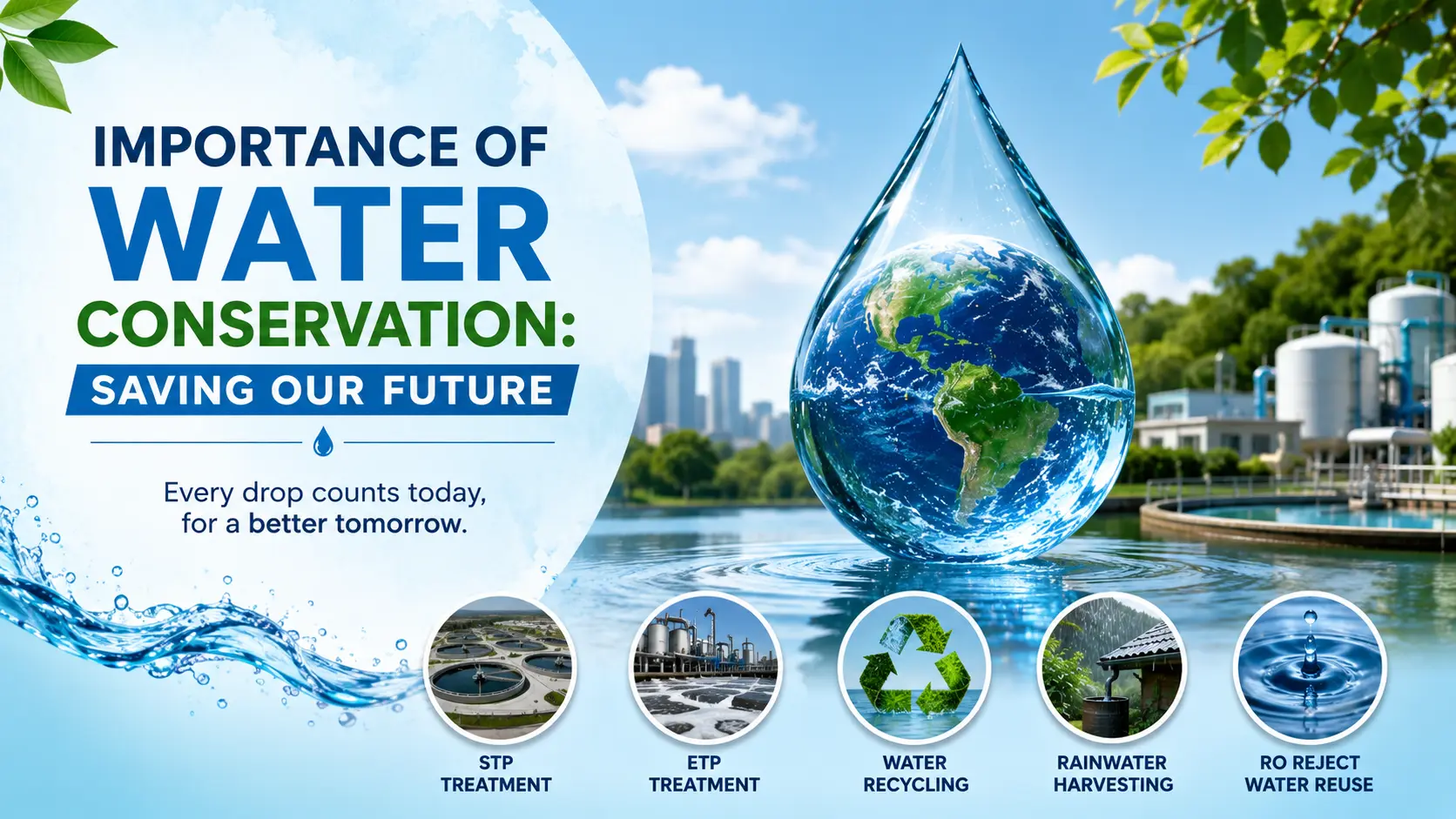
Water is one of the most valuable natural resources on Earth. It is essential for drinking, agriculture, industries, sanitation, and maintaining ecological balance. Despite covering a large portion of the planet, only a small percentage of water is available as freshwater suitable for human use. Rapid population growth, urbanization, industrial expansion, and climate change have increased pressure on existing water resources, making water conservation more important than ever.
Today, communities, businesses, and industries must take proactive steps toward the conservation of water to ensure a sustainable future. Effective water management practices not only help preserve natural resources but also reduce operational costs and improve environmental sustainability. This article explores the importance of water conservation, practical conservation methods, and the role of modern water treatment technologies in protecting our future.
What is Water Conservation?
Water conservation refers to the careful and efficient use of water to reduce wastage and ensure its availability for future generations. It involves adopting practices, technologies, and systems that help minimize unnecessary water consumption while maximizing reuse and recycling opportunities.
The goal of water conservation is not only to save water but also to maintain healthy ecosystems, reduce environmental impact, and secure a reliable water supply for households, industries, and agriculture.
Also Read: Rainwater Harvesting System: Complete Guide to Types, Methods and Benefits
Why Water Conservation Is Important
Many people wonder why water conservation is important when water appears to be readily available. The reality is that freshwater resources are limited, and growing demand is putting immense pressure on rivers, lakes, reservoirs, and groundwater sources.
1. Protecting Limited Freshwater Resources
Only a small percentage of Earth’s water is suitable for drinking and everyday use. Conserving water helps preserve these valuable resources for future generations.
2. Reducing Water Scarcity
Many regions around the world face seasonal or chronic water shortages. The conservation of water helps reduce the risk of water scarcity and ensures a stable supply during droughts and emergencies.
3. Supporting Environmental Sustainability
Water plays a vital role in maintaining ecosystems. Rivers, lakes, wetlands, and forests depend on adequate water supplies. Excessive water extraction can harm wildlife and disrupt natural habitats.
4. Lowering Energy Consumption
Water treatment, pumping, and distribution require significant energy. By reducing water usage, we also reduce energy consumption and associated carbon emissions.
5. Reducing Utility Costs
Efficient water use helps households and industries lower water bills and operational expenses. These benefits clearly highlight the importance of water conservation in modern society.
Growing Challenges in Water Management
As populations grow and industrial activities expand, water demand continues to rise. Some major challenges include:
- Groundwater depletion
- Water pollution
- Industrial wastewater generation
- Climate change impacts
- Urbanization and infrastructure growth
- Inefficient water usage practices
Addressing these challenges requires effective water conservation and management strategies supported by modern treatment and recycling technologies.
Water Conservation in Residential Areas
Every household can contribute to water conservation through simple yet effective measures.
- Fix Leaks Promptly- A small leak can waste hundreds of liters of water over time. Regular maintenance helps prevent unnecessary losses.
- Use Water-Efficient Fixtures- Low-flow taps, dual-flush toilets, and water-saving showerheads significantly reduce consumption.
- Reuse Water Where Possible- Greywater from washing and cleaning activities can often be reused for gardening and landscaping purposes.
- Practice Responsible Water Usage- Simple habits such as turning off taps while brushing teeth and using washing machines efficiently can make a significant difference.
Importance of Water Conservation in Industries
Industries are among the largest consumers of water. Manufacturing processes, cooling systems, cleaning operations, and production activities require substantial water resources. Implementing water conservation and management practices in industrial facilities offers several benefits:
- Reduced water consumption
- Lower operational costs
- Improved regulatory compliance
- Enhanced sustainability performance
- Reduced environmental impact
Industries increasingly adopt advanced treatment and recycling systems to optimize water usage and minimize waste generation.
Role of STP in Water Conservation
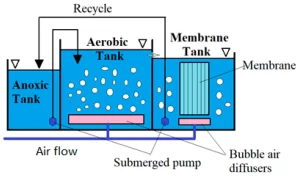
One of the most effective methods of conserving water is wastewater treatment and reuse. A Sewage Treatment Plant (STP) plays a critical role in this process.
STPs treat domestic wastewater generated from residential complexes, commercial buildings, hotels, hospitals, and institutions. The treated water can then be reused for:
- Gardening
- Landscape irrigation
- Toilet flushing
- Cooling tower applications
- Construction activities
By recycling treated wastewater, organizations can significantly reduce their dependence on freshwater resources while promoting sustainable water usage.
Role of ETP in Water Conservation
Industries generate wastewater containing chemicals, oils, suspended solids, and other contaminants. An Effluent Treatment Plant (ETP) is designed to treat industrial wastewater before discharge or reuse.
ETPs support water conservation by enabling industries to:
- Recycle treated water
- Reduce freshwater intake
- Comply with environmental regulations
- Minimize wastewater discharge
Industries such as pharmaceuticals, food processing, textiles, chemicals, and manufacturing facilities widely use ETP systems to improve sustainability and resource efficiency.
Water Recycling: A Sustainable Solution
Water recycling is becoming an essential component of modern water conservation and management practices. Instead of treating wastewater as a disposal problem, organizations are increasingly viewing it as a valuable resource.
Benefits of Water Recycling
- Reduces freshwater consumption
- Lowers water procurement costs
- Minimizes environmental impact
- Enhances water security
- Supports sustainable development goals
Recycled water can be safely used for various non-potable applications, reducing the burden on natural water sources.
Rainwater Harvesting and Water Conservation
Rainwater harvesting is one of the oldest and most effective methods of conserving water. It involves collecting and storing rainwater for future use.
Advantages of Rainwater Harvesting
- Recharges groundwater levels
- Reduces dependence on municipal water supplies
- Lowers water bills
- Helps manage stormwater runoff
- Supports drought resilience
Residential buildings, commercial facilities, industries, schools, and institutions can all benefit from rainwater harvesting systems. When combined with modern treatment technologies, rainwater harvesting becomes a powerful tool for long-term water conservation.
RO Reject Water Reuse
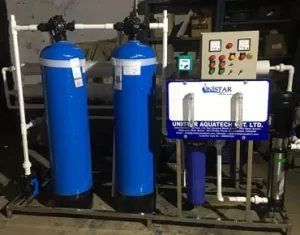
Reverse Osmosis (RO) systems are widely used for water purification. However, RO systems also generate reject water containing concentrated dissolved solids. Instead of discarding this water, organizations can implement RO reject water reuse strategies.
- Common Applications of RO Reject Water
- Toilet flushing
- Gardening
- Floor cleaning
- Vehicle washing
- Cooling tower makeup water
- Construction activities
Proper reuse of RO reject water contributes significantly to the conservation of water and reduces overall water wastage.
Water Conservation and Management Through Technology
Modern technologies are transforming the way water resources are managed. Smart monitoring systems, automation, advanced treatment plants, and water recycling solutions help organizations optimize water consumption.
Key technologies supporting water conservation and management include:
- Sewage Treatment Plants (STP)
- Effluent Treatment Plants (ETP)
- Reverse Osmosis (RO) Systems
- Water Recycling Plants
- Rainwater Harvesting Systems
- Smart Water Monitoring Solutions
- Zero Liquid Discharge (ZLD) Systems
These technologies enable organizations to achieve sustainability goals while maintaining operational efficiency.
Practical Water Conservation Tips for Businesses
Businesses can adopt several strategies to improve water efficiency:
- Conduct Water Audits- Regular audits help identify areas of excessive water consumption and potential savings opportunities.
- Install Water Recycling Systems- Recycling treated wastewater reduces dependence on freshwater sources.
- Train Employees- Awareness programs encourage responsible water usage throughout the organization.
- Monitor Consumption- Smart meters and monitoring systems help track usage and identify inefficiencies.
- Invest in Advanced Treatment Technologies- Modern treatment systems improve water recovery and support long-term sustainability goals.
The Future of Water Conservation
As global water challenges continue to intensify, the need for effective water conservation strategies will only grow. Governments, industries, communities, and individuals must work together to promote responsible water use and sustainable resource management.
Organizations that invest in wastewater treatment, recycling, rainwater harvesting, and efficient water management systems will be better positioned to meet future water demands while reducing environmental impact. The future of sustainable development depends heavily on our ability to conserve and manage water resources effectively.
Conclusion
The importance of water conservation cannot be overstated. Water is a finite resource that supports life, economic growth, agriculture, and industrial development. Understanding why water conservation is important is the first step toward building a more sustainable future.
Through responsible water usage, wastewater treatment, water recycling, rainwater harvesting, and RO reject water reuse, individuals and organizations can make a meaningful contribution to the conservation of water. Modern technologies such as STP, ETP, and advanced recycling systems further strengthen water conservation and management efforts by reducing waste and maximizing resource utilization.
By adopting sustainable practices today, we can ensure that future generations continue to have access to clean and reliable water resources for years to come.