Clean water is very important for maintaining good health, running industries, agricultural activities, and the environment. But the water that comes from rivers, lakes, boreholes, or any other source is not free from impurities and suspended particles. In order to purify this water for use, it has to go through several purification processes. Here, the importance of a water treatment plant can be seen.
Understanding the water treatment plant process makes industries, towns, companies, and organizations understand the procedure of making raw water fit for consumption. In today’s treatment plants, highly evolved technology has been utilized in removing physical, chemical, and biological impurities present in water. The following blog post is dedicated to exploring the process involved in the operation of a water treatment plant.
What Is a Water Treatment Plant?
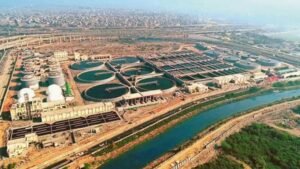
A water treatment plant is a facility designed to remove impurities and contaminants from raw water before it is supplied for drinking, industrial processes, irrigation, or other applications. These plants utilize a combination of physical, chemical, and biological treatment methods to improve water quality. Depending on the application, treatment systems may be designed for municipal water supply, industrial use, or wastewater recycling. Every treatment facility follows a structured process to ensure maximum purification efficiency.
Read More: What is a Water Treatment Plant and Its Importance in Preventing Water Pollution
Importance of Water Treatment
Water treatment is essential for several reasons:
- Ensures safe drinking water
- Removes harmful bacteria and viruses
- Reduces suspended solids and turbidity
- Eliminates unpleasant odors and tastes
- Protects industrial equipment from scaling and corrosion
- Supports environmental conservation
- Enables water reuse and recycling
A properly designed treatment system contributes to public health, operational efficiency, and sustainable water management.
Step 1: Raw Water Collection
The first stage in the water treatment plant process is collecting water from its source. Raw water may come from:
- Rivers
- Lakes
- Reservoirs
- Groundwater wells
- Canals
- Industrial water sources
The collected water is transported to the treatment facility through pipelines, pumps, or intake structures. Since raw water quality varies significantly, treatment requirements are determined based on water analysis and contamination levels.
Step 2: Screening
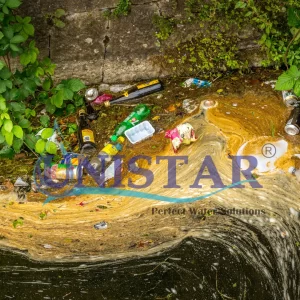
Screening is the initial treatment stage where large debris and unwanted materials are removed.
Typical materials removed include:
- Leaves
- Branches
- Plastic waste
- Stones
- Floating debris
Screens prevent damage to downstream equipment and improve overall plant efficiency. This step serves as the foundation for the entire water treatment plant process.
Step 3: Coagulation
After screening, the water enters the coagulation stage. During coagulation, chemicals known as coagulants are added to the water. Common coagulants include:
- Aluminum sulfate (Alum)
- Ferric chloride
- Polymers
These chemicals neutralize the electrical charges of suspended particles, allowing them to combine into larger particles.
Coagulation helps remove:
- Fine suspended solids
- Organic matter
- Color-causing substances
- Some microorganisms
This stage significantly improves treatment efficiency in the subsequent processes.
Step 4: Flocculation
Following coagulation, water moves into flocculation tanks where gentle mixing takes place. The purpose of flocculation is to encourage small particles to join together and form larger masses called flocs.
Benefits of flocculation include:
- Easier sedimentation
- Improved filtration performance
- Enhanced removal of contaminants
The formation of stable flocs is critical for efficient water clarification.
Step 5: Sedimentation
Sedimentation is one of the most important stages in the treatment process. In sedimentation tanks, water is allowed to remain undisturbed so that heavier flocs settle to the bottom under gravity.
This stage removes a significant portion of:
- Suspended solids
- Organic particles
- Dirt and silt
The settled material, known as sludge, is collected and removed for further treatment or disposal. By reducing the solid load, sedimentation improves the effectiveness of downstream filtration systems.
Step 6: Filtration
After sedimentation, water passes through filtration units to remove finer particles that remain suspended.
Common filtration methods include:
Sand Filtration
Water passes through layers of sand and gravel that trap suspended particles.
Activated Carbon Filtration
Activated carbon removes:
- Odors
- Taste-causing compounds
- Organic contaminants
- Chlorine residues
Multimedia Filtration
Multiple filter media are used to achieve higher filtration efficiency. Filtration produces clearer and cleaner water, making it suitable for disinfection and final use.
Step 7: Disinfection
Disinfection is a critical step that eliminates harmful microorganisms and pathogens.
Common disinfection methods include:
- Chlorination- Chlorine is added to destroy bacteria, viruses, and other disease-causing organisms.
- Ultraviolet (UV) Treatment- UV systems deactivate microorganisms without using chemicals.
- Ozonation- Ozone provides powerful oxidation and disinfection while improving water quality.
Disinfection ensures that treated water is safe for human consumption and industrial applications.
Step 8: pH Adjustment and Conditioning
Water quality parameters such as pH, alkalinity, and mineral content may require adjustment before distribution.
This step helps:
- Prevent corrosion
- Reduce scaling
- Improve water stability
- Protect pipelines and equipment
Proper conditioning enhances the long-term performance of water distribution systems.
Step 9: Storage and Distribution
Once treatment is completed, the water is stored in tanks or reservoirs before distribution.
Storage systems help:
- Maintain a continuous water supply
- Balance demand fluctuations
- Ensure emergency reserves
The treated water is then supplied to homes, industries, commercial facilities, and public infrastructure.
Industrial Water Treatment Plant Applications
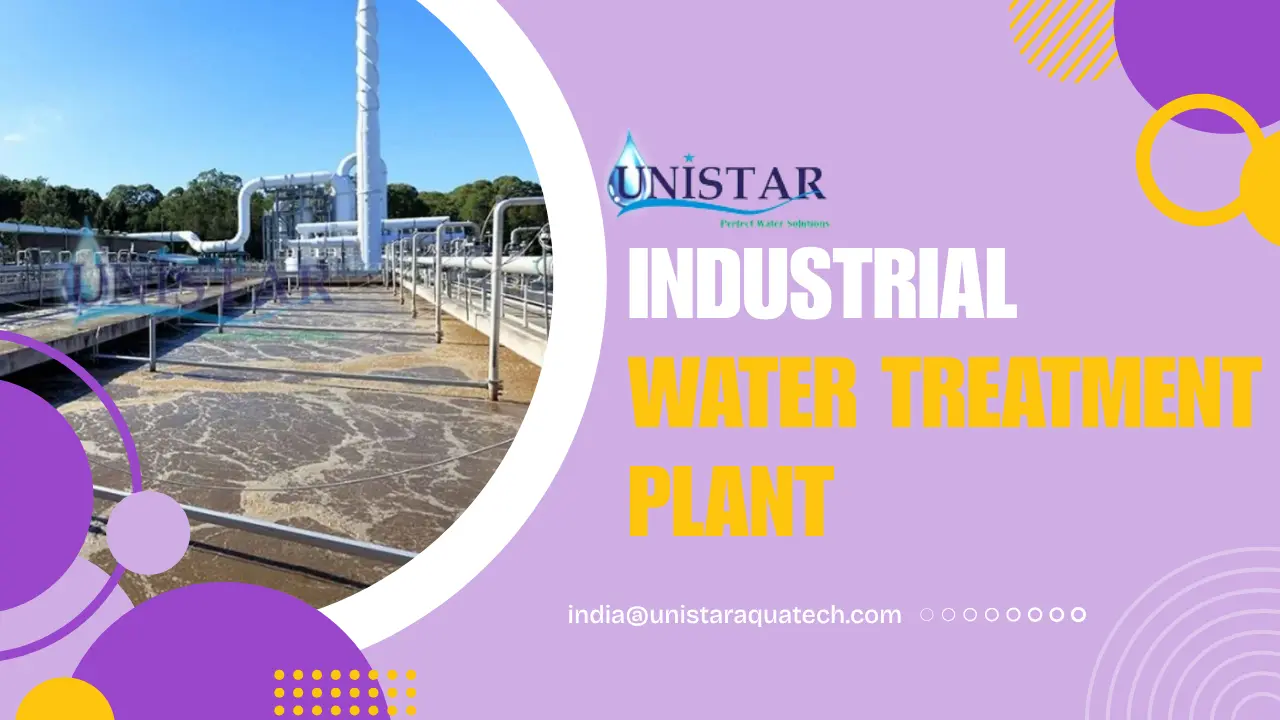
An Industrial water treatment plant is specifically designed to meet the unique requirements of manufacturing and processing industries.
Industries require treated water for:
- Boiler feed systems
- Cooling towers
- Production processes
- Cleaning operations
- Chemical processing
Difficulties that arise for industries include high solids content, metals, oil, and other chemicals. Modern techniques that have been used in an industrial water treatment plant include Reverse Osmosis (RO), Ultra-Filtration (UF), and Demineralization (DM).
The right industrial water treatment plant increases efficiency and reduces maintenance.
Waste Water Treatment Plant and Water Reuse
In addition to treating raw water, many facilities operate a waste water treatment plant to treat used water before discharge or reuse. A waste water treatment plant removes contaminants from sewage and industrial effluent through physical, biological, and chemical treatment processes.
Benefits include:
- Reduced environmental pollution
- Water conservation
- Regulatory compliance
- Lower freshwater consumption
- Sustainable resource management
Treated wastewater can often be reused for:
- Irrigation
- Cooling systems
- Industrial processes
- Landscaping
- Toilet flushing
Water reuse initiatives are becoming increasingly important as industries and municipalities seek sustainable water management solutions.
Modern Technologies in Water Treatment Plants
Today’s treatment facilities incorporate advanced technologies that improve performance and efficiency.
Popular innovations include:
- Reverse Osmosis (RO)
- Ultrafiltration (UF)
- Membrane Bioreactor (MBR)
- Moving Bed Biofilm Reactor (MBBR)
- SCADA Automation Systems
- IoT-Based Monitoring
- AI-Driven Process Optimization
These technologies enable treatment plants to achieve higher purification standards while reducing operational costs.
Conclusion
Understanding the water treatment plant process provides valuable insight into how raw water is transformed into clean, safe, and usable water. From screening and coagulation to filtration, disinfection, and distribution, every stage plays a vital role in ensuring water quality and safety.
Whether it is a municipal facility, an Industrial water treatment plant, or a waste water treatment plant, modern treatment systems are essential for protecting public health, supporting industrial growth, and promoting environmental sustainability.
We at Unistar Aquatech Pvt. Ltd. are specialists in providing highly sophisticated water and wastewater treatment technologies that cater to the requirements of industrial, institutional, and municipal applications.