Water is the most precious resource on Earth, yet it is increasingly under threat due to pollution. At Unistar Aquatech Private Limited, we are deeply committed to creating clean water solutions through advanced wastewater and sewage treatment systems. To address pollution effectively, it is important to understand its root causes. In this blog, we’ll explain what are the 10 major causes of water pollution, how they impact our environment, and what we can do to mitigate them.
Here are 10 major causes of water pollution:-
- Industrial Waste Discharge – Industries release large amounts of untreated or partially treated wastewater into nearby water bodies. This wastewater often contains harmful chemicals, heavy metals, and toxins that disrupt aquatic ecosystems and contaminate drinking water sources.
- Domestic Sewage – Household sewage, when not properly treated, carries organic waste, detergents, pathogens, and nutrients into water bodies. In areas lacking efficient Sewage Treatment Plants (STPs), this is one of the leading contributors to water pollution.
- Agricultural Runoff – Pesticides, fertilizers, and animal waste used in farming are often washed into rivers and lakes during rainfall. These pollutants lead to eutrophication, where excess nutrients cause algal blooms, depleting oxygen and killing aquatic life.
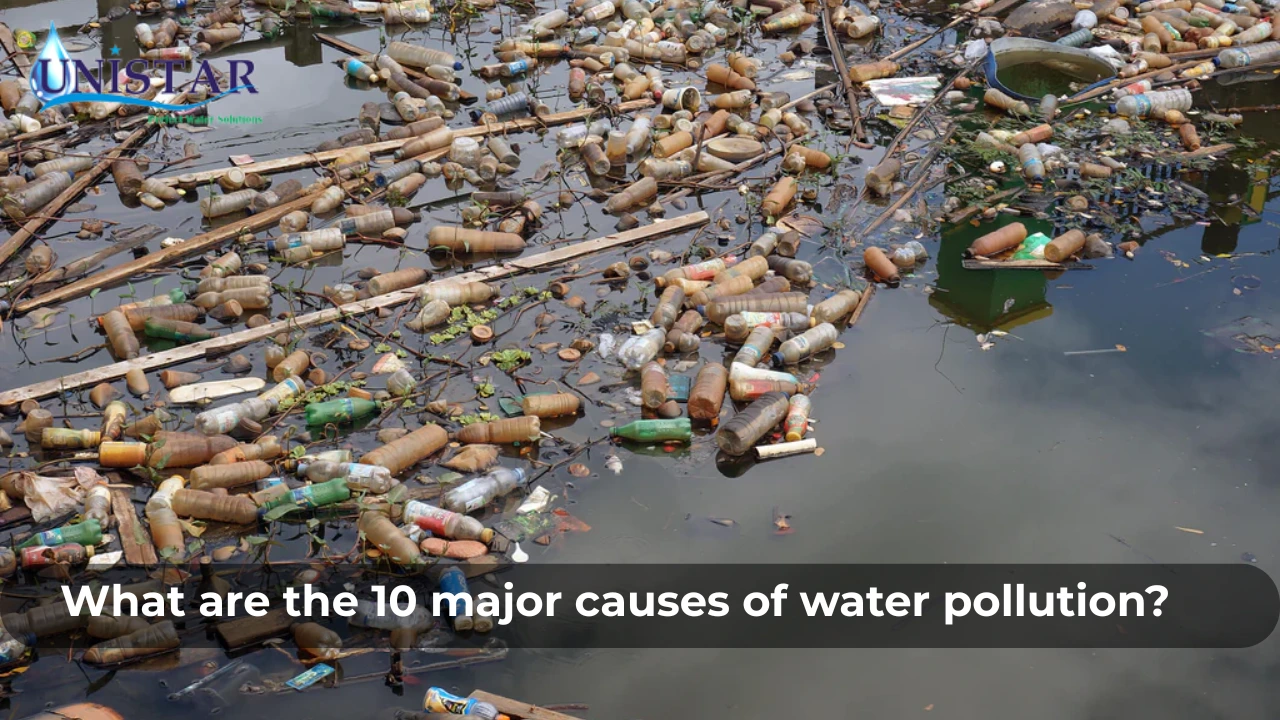
- Plastic and Solid Waste – Plastics, polythene bags, bottles, and non-biodegradable waste dumped in or near water bodies accumulate over time. These pollutants not only harm marine life but also contaminate the water that millions rely on for daily use.
- Oil Spills – Oil spills from ships, offshore platforms, or transportation accidents have devastating effects on marine ecosystems. Oil creates a barrier on the water surface, affecting oxygen exchange and harming birds, fish, and marine mammals.
- Mining Activities – Mining operations expose rocks that contain heavy metals and other pollutants. When these materials are washed into nearby streams or rivers, they severely degrade water quality and pose risks to both humans and aquatic species.
- Marine Dumping – Dumping of waste directly into oceans or seas, whether legal or illegal, includes a mix of industrial waste, chemicals, and radioactive materials. Over time, this depletes marine biodiversity and impacts food safety.
- Urban Stormwater Runoff – As cities expand, rainwater runoff from roads, rooftops, and pavements carries pollutants like oil, grease, heavy metals, and debris into water bodies. This runoff often flows untreated into rivers and lakes, especially in poorly planned urban areas.
- Thermal Pollution – Discharge of hot water from industries or power plants into rivers or lakes raises the water temperature. This affects aquatic organisms, especially those sensitive to temperature changes, and disrupts breeding cycles.
- Deforestation and Soil Erosion – Clearing forests leads to soil erosion. The loose soil is carried by rainwater into water bodies, increasing turbidity. Sediment pollution not only reduces water quality but also clogs fish gills and destroys aquatic habitats.
The Role of Unistar Aquatech in Combating Water Pollution
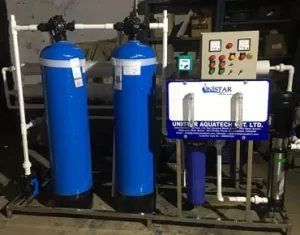
Unistar Aquatech Private Limited believes prevention is better than cure. That’s why we offer advanced water and wastewater treatment solutions such as:
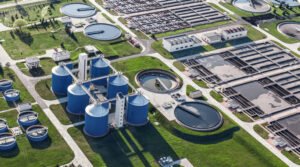
- Sewage Treatment Plants (STPs)
- Effluent Treatment Plants (ETPs)
- WasteWater Treatment
- Zero Liquid Discharge (ZLD) Solutions
Our systems are designed to help industries, hotels, housing societies, and municipalities manage and treat wastewater effectively—minimizing the risk of environmental contamination.
Conclusion
Understanding what are the 10 major causes of water pollution is the first step towards solving the problem. From industrial waste to agricultural runoff, each source requires a targeted solution. By adopting water treatment technologies and following environmentally responsible practices, we can preserve this vital resource for future generations.
If you’re searching for reliable water treatment solutions, Unistar Aquatech Private Limited is here to help. Let’s work together for a cleaner, healthier planet.