Water is one of the most valuable natural resources, yet increasing industrial activities, rapid urbanization, and population growth are putting immense pressure on freshwater supplies. Industries and commercial buildings consume thousands of liters of water every day for manufacturing, cooling, cleaning, landscaping, sanitation, and other operational activities. As water scarcity becomes a growing concern across the world, businesses are actively looking for sustainable solutions to reduce their dependence on freshwater sources.
One of the most effective ways to achieve this goal is through wastewater recycling. Instead of discharging used water into the environment, organizations can treat and reuse it for various non-potable and industrial applications. Modern recycling technologies not only help conserve water but also reduce operational costs, ensure regulatory compliance, and support environmental sustainability.
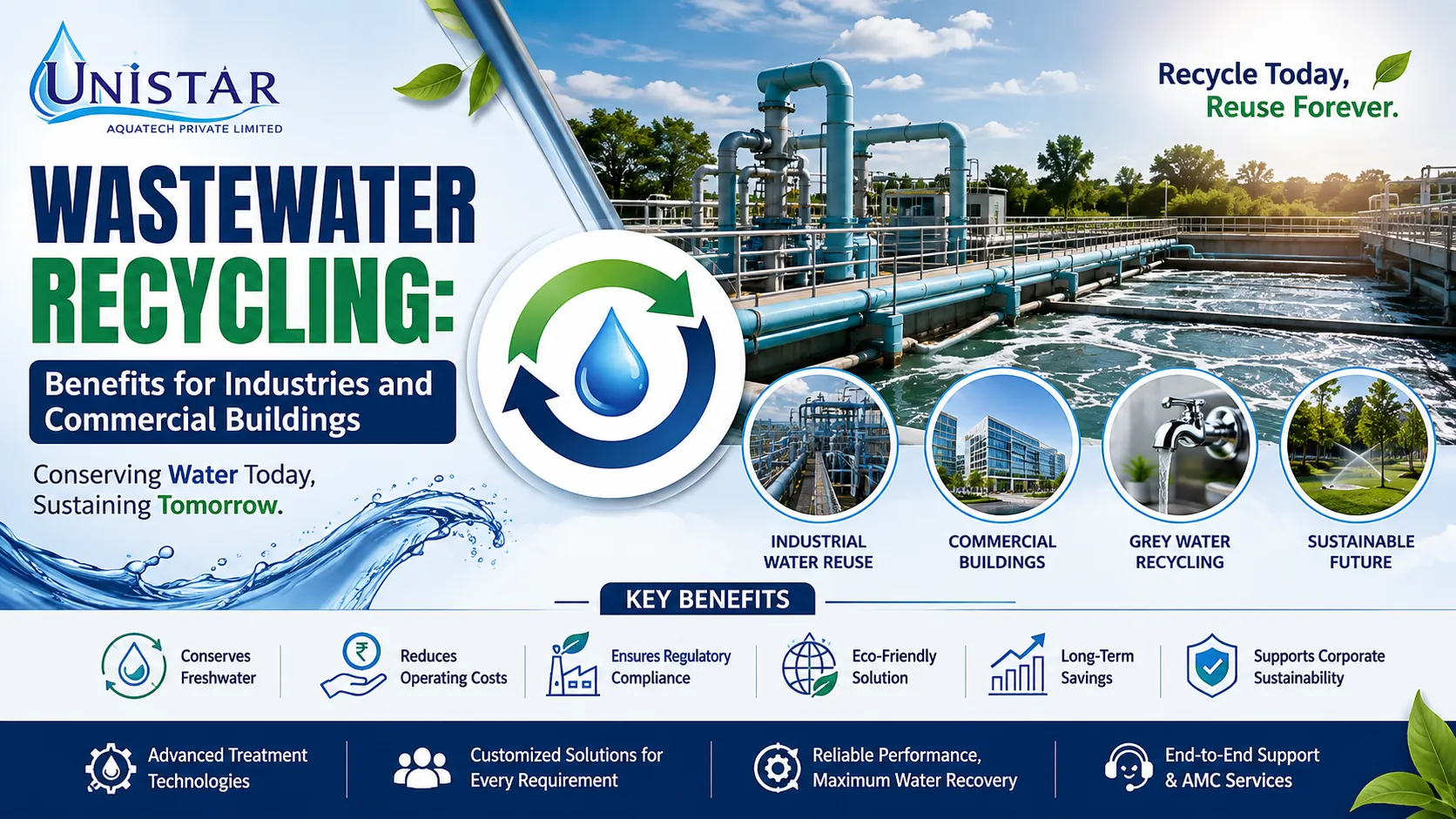
In this blog, we will explore Wastewater Recycling: Benefits for Industries and Commercial Buildings, understand how a wastewater recycling system works, discuss different recycling technologies, and explain why investing in water recycling has become essential for modern businesses.
What is Wastewater Recycling?
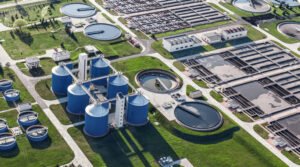
Wastewater recycling is the process of collecting, treating, and reusing wastewater generated from industrial processes, commercial buildings, residential complexes, and institutions. Instead of allowing wastewater to be discharged into rivers or drains, it undergoes multiple treatment stages to remove impurities, contaminants, suspended solids, organic matter, and harmful microorganisms.
After proper treatment, recycled water can safely be reused for cooling towers, flushing, gardening, construction, industrial processing, washing, firefighting systems, and many other non-drinking applications.
Modern wastewater recycling systems use advanced technologies such as biological treatment, membrane filtration, activated carbon filtration, ultrafiltration, and reverse osmosis to achieve high-quality treated water suitable for reuse.
Also Read: Water Management Solutions for the Pharma Industry: A Complete Guide
Why Wastewater Recycling is Becoming Essential
Freshwater resources are becoming increasingly limited while water demand continues to rise. Governments are introducing stricter environmental regulations, industries are facing higher water procurement costs, and communities are becoming more environmentally conscious. Wastewater recycling addresses these challenges by enabling businesses to reuse water multiple times rather than relying solely on fresh water supplies. For industries operating in water-intensive sectors, wastewater recycling is no longer just an environmental initiative—it is a smart business strategy that improves sustainability while reducing operating expenses.
How Does a Wastewater Recycling System Work?
A modern wastewater recycling system follows several treatment stages to ensure safe and efficient water reuse. Initially, wastewater passes through screening systems that remove large debris and floating materials. The water then enters equalization tanks where flow variations are balanced before biological treatment begins.
During biological treatment, microorganisms break down organic contaminants naturally. After this stage, clarification removes suspended solids from the treated water. Advanced filtration technologies such as sand filters, activated carbon filters, ultrafiltration, or reverse osmosis further improve water quality by removing fine particles, dissolved impurities, and microorganisms.
Finally, disinfectants like UV treatment or chlorination eliminate remaining bacteria before the treated water is stored for reuse. This comprehensive process ensures that recycled water meets the required quality standards for industrial and commercial applications.
What is Grey Water Recycling?
Not all wastewater is heavily contaminated. Water generated from wash basins, showers, laundry facilities, and bathroom sinks is known as grey water because it contains relatively fewer contaminants compared to sewage. A grey water recycling system collects this wastewater, treats it, and makes it suitable for non-potable uses such as toilet flushing, gardening, landscape irrigation, floor cleaning, and cooling systems.
Unlike black water treatment, grey water recycling requires comparatively simpler treatment processes while still providing substantial water savings. Today, grey water recycling has become increasingly popular in hotels, hospitals, educational institutions, shopping malls, residential complexes, and commercial buildings seeking sustainable water management solutions.
Residential Water Recycling System
Water conservation is not limited to industries alone. Modern residential societies and apartment complexes are also adopting sustainable water practices through residential water recycling systems. These systems collect wastewater generated from bathrooms, kitchens, and laundry areas before treating it for reuse in landscape irrigation, flushing systems, cleaning activities, and common area maintenance.
A well-designed residential water recycling system significantly reduces freshwater consumption while lowering water bills and minimizing the environmental impact of housing projects. As cities continue to face water shortages, residential recycling systems are becoming an important part of sustainable urban infrastructure.
Benefits of Wastewater Recycling for Industries
Industries consume enormous quantities of water every day, making recycling one of the most effective methods for reducing operational costs and improving sustainability.
Some of the major benefits include:
- Significant reduction in freshwater consumption.
- Lower water procurement costs.
- Reduced wastewater discharge.
- Compliance with environmental regulations.
- Improved sustainability initiatives.
- Enhanced corporate environmental responsibility.
- Reduced dependency on municipal water supply.
- Better resource utilization.
- Long-term operational savings.
Industries that implement wastewater recycling often achieve higher production efficiency while reducing their environmental footprint.
Benefits for Commercial Buildings
Commercial establishments such as malls, hotels, hospitals, educational institutions, office complexes, airports, and business parks also generate substantial amounts of wastewater every day. Installing a wastewater recycling solution offers several advantages.
Recycled water can be used for landscape irrigation, cooling towers, toilet flushing, cleaning parking areas, HVAC systems, and fire protection storage. This not only reduces water bills but also improves the building’s sustainability rating and supports green building certifications such as LEED and IGBC.
Commercial buildings adopting wastewater recycling also demonstrate environmental responsibility, which positively influences customers, investors, and regulatory authorities.
Industries That Can Benefit from Wastewater Recycling
Almost every industry can benefit from a properly designed wastewater recycling solution.
Some common sectors include:
- Food Processing
- Pharmaceutical Manufacturing
- Textile Industries
- Chemical Plants
- Automobile Manufacturing
- Paper Mills
- Hotels
- Hospitals
- Shopping Malls
- Residential Townships
- Educational Institutions
- Corporate Campuses
- IT Parks
Each industry has unique water requirements, making customized recycling systems essential for achieving maximum efficiency.
Why Investing in Water Recycling Makes Business Sense
Many organizations initially consider wastewater recycling as an additional expense. However, the long-term financial benefits often outweigh the initial investment. Reduced freshwater consumption directly lowers utility bills. Lower wastewater discharge minimizes treatment and disposal costs. Businesses also avoid potential penalties associated with environmental non-compliance.
Moreover, organizations adopting sustainable water management practices improve their corporate image, attract environmentally conscious clients, and strengthen their commitment to ESG (Environmental, Social, and Governance) goals. In today’s competitive business environment, sustainability is becoming a valuable competitive advantage.
Why Choose Unistar Aquatech Private Limited?
At Unistar Aquatech Private Limited, we specialize in designing and manufacturing advanced water and wastewater treatment solutions tailored to the unique needs of industries, commercial buildings, residential complexes, and institutions.
Our expertise includes Wastewater Recycling Systems, Sewage Treatment Plants (STP), Effluent Treatment Plants (ETP), Water Treatment Plants (WTP), Reverse Osmosis (RO) Plants, Grey Water Recycling Systems, and customized water management solutions that deliver reliable performance and long-term cost savings.
Every project is carefully engineered using advanced treatment technologies, premium-quality components, and energy-efficient processes to ensure maximum water recovery and operational efficiency.
From system design and installation to commissioning, maintenance, and after-sales support, our experienced team provides complete end-to-end solutions that help customers achieve sustainable water management while complying with environmental regulations.
Conclusion
Water conservation is no longer just an environmental responsibility—it is a business necessity. As industries and commercial buildings continue to face increasing water costs and stricter environmental regulations, investing in wastewater recycling offers both economic and environmental benefits.
Whether through a modern water recycling system, an advanced wastewater recycling system, an efficient grey water recycling system, or a residential water recycling system, organizations can significantly reduce freshwater consumption, lower operational expenses, and contribute to a more sustainable future.
By partnering with Unistar Aquatech Private Limited, businesses gain access to innovative water treatment solutions designed to maximize water reuse, improve operational efficiency, and support long-term sustainability goals.
Frequently Asked Questions (FAQs)
1. What is wastewater recycling?
Wastewater recycling is the process of treating used water so it can be safely reused for industrial, commercial, or non-potable applications instead of being discharged as waste.
2. What is a wastewater recycling system?
A wastewater recycling system treats wastewater using advanced filtration and purification technologies, making it suitable for reuse in various applications.
3. What is grey water recycling?
Grey water recycling involves treating wastewater from showers, wash basins, and laundry for reuse in toilet flushing, gardening, and cleaning purposes.
4. What are the benefits of a residential water recycling system?
A residential water recycling system helps reduce freshwater consumption, lowers utility bills, supports sustainable living, and conserves natural water resources.
5. Why choose Unistar Aquatech Private Limited?
Unistar Aquatech Private Limited offers customized, energy-efficient, and reliable water treatment and wastewater recycling solutions backed by expert engineering, quality manufacturing, and dependable after-sales support.