
How do Sewage Treatment Plants Work Flow Diagram?
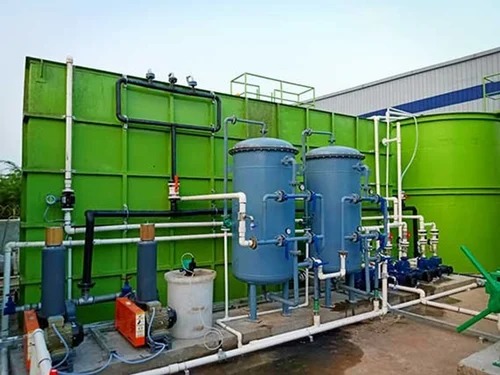
Managing wastewater is one of the most important parts of maintaining a clean and healthy environment. Whether it comes from homes, industries, or hospitals, untreated sewage can harm both people and nature. This is where Sewage Treatment Plants (STPs) play a crucial role.
In this blog, we will explain how sewage treatment plants work, along with a clear understanding of the sewage treatment plant diagram, waste water treatment diagram, and the overall treatment process in simple words.
sewage treatment plant diagram A Sewage Treatment Plant (STP) is a system designed to treat wastewater and remove harmful contaminants before releasing it back into the environment or reusing it. The diagram of sewage treatment plant usually shows multiple stages where water is cleaned step by step. Each stage removes a specific type of impurity.
Sewage Treatment Plant Flow Diagram (Overview)
The stp plant diagram or diagram of wastewater treatment plant generally includes the following stages:
- Preliminary Treatment
- Primary Treatment
- Secondary Treatment
- Tertiary Treatment
- Sludge Treatment
This easy sewage treatment plant diagram helps us understand how dirty water is converted into reusable or safe discharge water.
Waste Water Treatment Plant Diagram
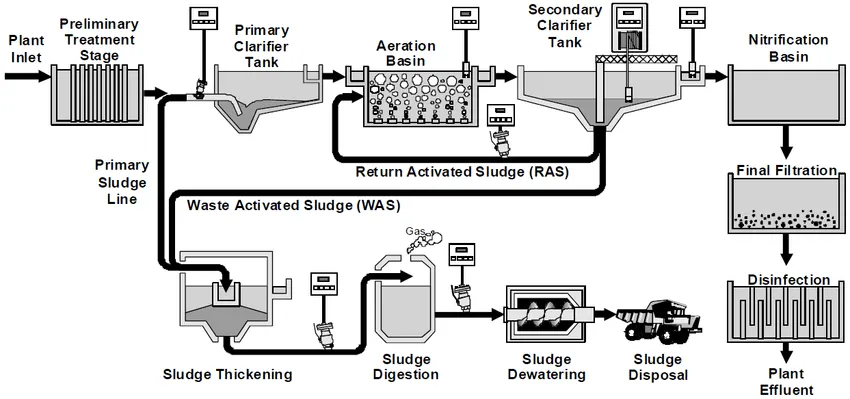
Step-by-Step Working of STP
Step by step flowchart sewage treatment plant process
1. Preliminary Treatment (Screening & Removal of Large Waste)
This is the first stage shown in every waste water treatment diagram.
In this stage:
- Large objects like plastic, cloth, sticks, and stones are removed
- Screens and grit chambers are used
- It protects machines in the next stages
This step does not clean water completely but prepares it for further treatment.
2. Primary Treatment (Sedimentation Process)
In this stage, wastewater is stored in large tanks called sedimentation tanks.
What happens here:
- Heavy particles settle at the bottom (called sludge)
- Oil and grease float on the top and are removed
- The middle layer contains partially treated water
The diagram of sewage treatment plant shows this stage as a settling tank.
3. Secondary Treatment (Biological Treatment)
This is the most important stage in the sewage treatment plant diagram. Here, microorganisms (good bacteria) break down organic waste present in the water.
Common processes include:
- Activated sludge process
- Aeration tanks (oxygen is supplied)
- Bacteria consume harmful substances
This stage removes up to 80–90% of impurities.
4. Tertiary Treatment (Advanced Cleaning)
After biological treatment, water goes through advanced purification.
This stage includes:
- Filtration (sand filters, carbon filters)
- Disinfection (chlorine or UV treatment)
- Removal of remaining chemicals and pathogens
In the diagram of wastewater treatment plant, this stage ensures the water is safe for reuse or discharge.
5. Sludge Treatment
The sludge collected in earlier stages is also treated.
Process includes:
- Thickening and digestion
- Drying and disposal
- Sometimes used as fertilizer or biogas production
This part is also shown in the stp plant diagram, highlighting complete waste management.
Simple Flow Diagram Explanation (Text Format)
Here is a simple way to understand the sewage treatment plant diagram:
Inlet Wastewater → Screening → Grit Removal → Primary Tank → Aeration Tank → Secondary Clarifier → Filtration → Disinfection → Treated Water Outlet
This flow is commonly shown in every diagram of sewage treatment plant and helps in easy understanding.
Importance of Sewage Treatment Plants
Sewage treatment plants are not just machines; they are essential for sustainable living.
They help in:
- Protecting the environment from pollution
- Preventing waterborne diseases
- Reusing water for gardening, flushing, and industrial use
- Maintaining ecological balance
Where Are STPs Used?
STPs are widely used in:
- Residential societies
- Hospitals
- Hotels and resorts
- Industrial areas
- Commercial buildings
Each location may have a slightly different waste water treatment diagram depending on the need and capacity.
Conclusion
Understanding how sewage treatment plants work flow diagram helps us realize the importance of proper wastewater management. From removing large waste to advanced filtration, every stage plays a vital role in cleaning water. The sewage treatment plant diagram, diagram of wastewater treatment plant, and stp plant diagram together give a clear picture of how dirty water is transformed into safe and reusable water.
At Unistar Aquatech Private Limited, we focus on delivering efficient and reliable sewage treatment solutions designed to meet modern environmental standards.
Enquire Now
Recent Posts
- Types of Sewage Treatment Plants: Working, Applications
- What Is Membrane Filtration? Working, Types, Benefits & Applications
- Water Softener for Boiler Feed: Guide for Steam & Hot Water Plants
- STP vs ETP: Which Treatment Plant Does Your Project Need?
- Wastewater Recycling: Benefits for Industries and Commercial Buildings
- Water Management Solutions for the Pharma Industry: A Complete Guide
- Importance of Water Conservation: Why Saving Water Matters More Than Ever
- What Is a Wastewater Treatment Plant and Why Does Your Industry Need One?
- Rainwater Harvesting System: Complete Guide to Types, Methods and Benefits
- Solid Waste Management: Methods, Benefits and Industrial Applications