What is Wet and Dry Waste?

Wet waste is biodegradable waste such as food scraps and garden waste that rots naturally. Dry waste is non-biodegradable or recyclable material such as plastic, paper, metal and glass. One…

Wet waste is biodegradable waste such as food scraps and garden waste that rots naturally. Dry waste is non-biodegradable or recyclable material such as plastic, paper, metal and glass. One…
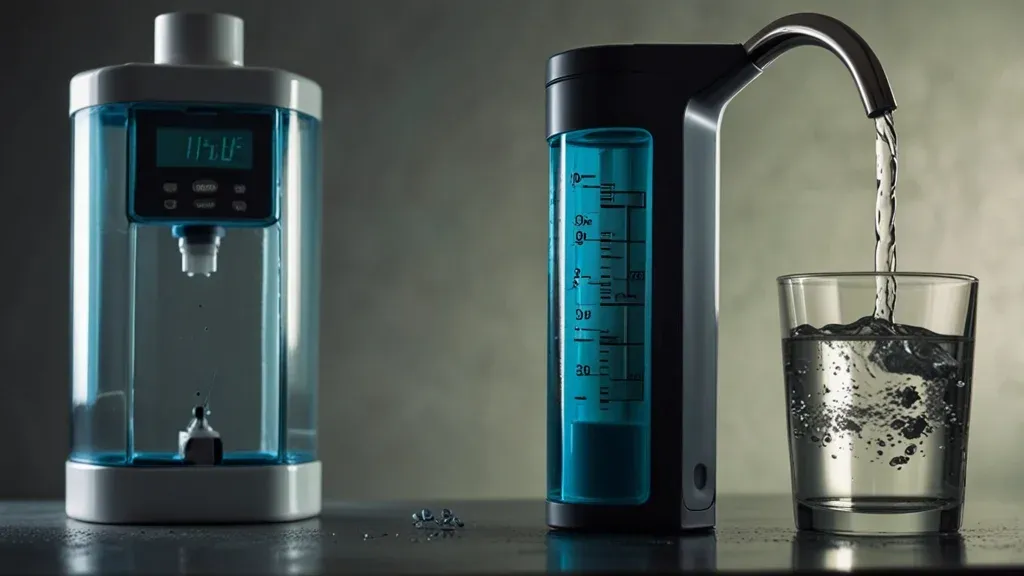
Water is most important for our health, but only clear looking water is not safe to drink. Many types of minerals and dissolved things are found in water, which are…
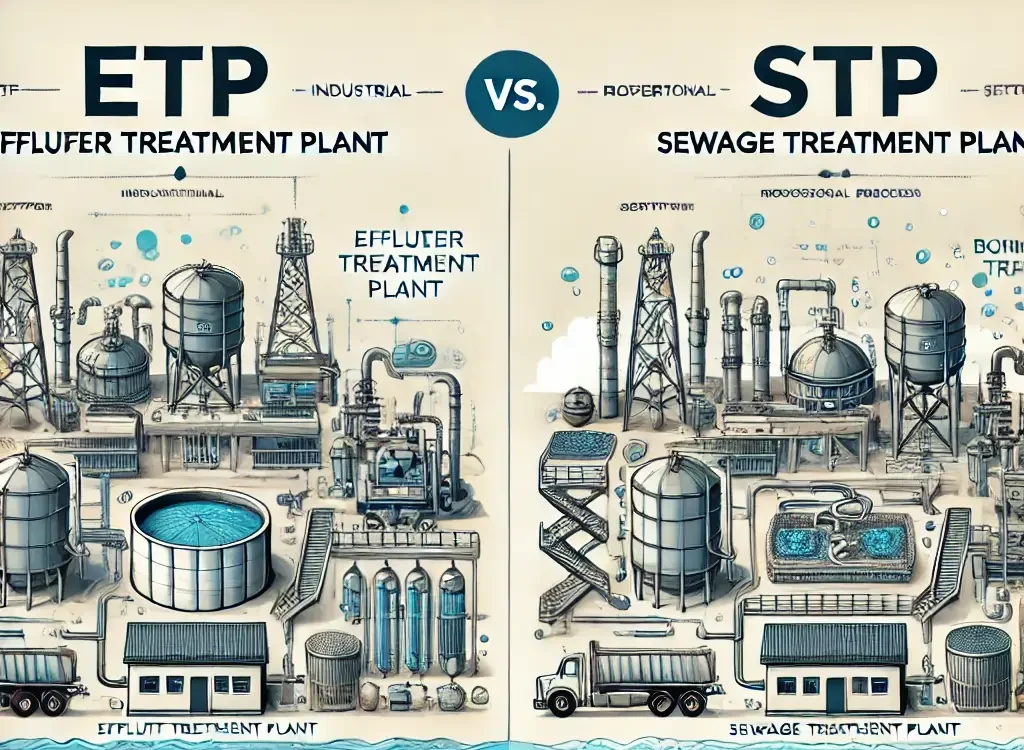
Water pollution is considered one of the greatest environmental issues that industries and urban centers have to cope with at present. In view of the increasing number of pollutants discharged…

Unistar, a leading player in the energy and fuel solutions industry, is committed to helping India transition to biofuels like E20. Let's dive into the details of this promising fuel and its potential impact.

Transmembrane Pressure (TMP) is a crucial concept in filtration processes, particularly in membrane technologies like reverse osmosis (RO), ultrafiltration (UF), and microfiltration (MF). It plays a significant role in ensuring the efficiency and effectiveness of water treatment systems. In this blog, we will explore what TMP is, why it is important, and how it applies to filtration systems.

What Caused Air Pollution in New Delhi? Call Now Understanding the Severe Air Pollution in Delhi: New Delhi, the capital of India, is notorious for its severe air pollution levels,…

Sewage Treatment Plant (STP): Definition, Process, Advantages & Disadvantages Call Now Understanding Sewage Treatment Plants (STPs): Definition, Process, Advantages, and Disadvantages Sewage Treatment Plants (STPs) play a vital role in…
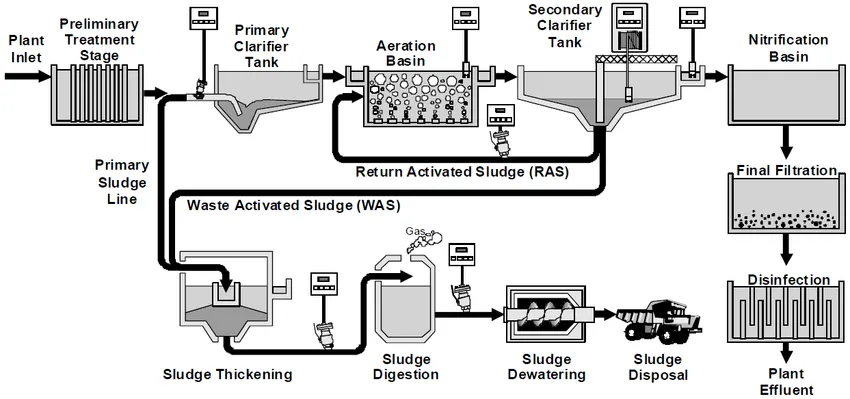
How do Sewage Treatment Plants Work Flow Diagram? Call Now Managing wastewater is one of the most important parts of maintaining a clean and healthy environment. Whether it comes from…

Soil is the thin layer of organic and inorganic components that covers the rocky surface of the Earth. The organic part is concentrated in the dark topmost top soil and is obtained from the rotting remains of plants and animals. The inorganic part, which consists of rock fragments, was created over thousands of years as a result of the physical and chemical weathering of bedrock.

KLD and MLD are two key acronyms that are commonly used in the field of wastewater and water treatment. MLD is an acronym for "Megaliters per Day," and KLD is an acronym for "Kiloliters per Day." These measuring units are essential for determining the volume of water treated as well as the capacity and efficacy of treatment facilities. In the context of water and wastewater treatment, we will examine the definitions, importance, and salient distinctions between KLD and MLD in this blog.