Wet waste is biodegradable waste such as food scraps and garden waste that rots naturally. Dry waste is non-biodegradable or recyclable material such as plastic, paper, metal and glass. One of the basic methods of waste segregation is separating wet and dry waste. But exactly What is wet and dry waste, and why is it so important to distinguish between them? Unistar takes responsibility for the environment very seriously. Here is an important guide for waste management.
Wet Waste vs Dry Waste: Quick Difference
Wet waste is mainly biodegradable waste that contains moisture, while dry waste generally consists of materials that are recyclable, reusable or require separate disposal. Understanding the difference between these two categories makes waste segregation easier and improves the efficiency of recycling and organic waste treatment.
| Wet Waste | Dry Waste |
|---|---|
| Contains high moisture content | Generally has little or no moisture |
| Mostly biodegradable | Often recyclable or reusable |
| Includes food and kitchen waste | Includes paper, plastic, metal and glass |
| Can be processed through composting or organic waste treatment | Can be sorted, recovered and sent for recycling |
| Usually decomposes faster | May take much longer to break down |
Common examples of wet waste include vegetable peels, leftover food, fruit waste, tea leaves, coffee grounds and garden waste. Dry waste includes newspapers, cardboard, plastic packaging, bottles, metal cans, glass containers and other recyclable materials.
Keeping these waste streams separate from the beginning helps prevent recyclable materials from becoming contaminated with food or other organic waste.
What is Wet Waste?
Wet waste- Wet waste typically refers to biodegradable waste. This includes all waste materials that decompose naturally and can be broken down by microorganisms. Common examples of wet waste are food scraps (vegetable peels, leftover food, fruit waste), tea bags and coffee grounds, garden waste like leaves and grass clippings, eggshells, used tissues and paper towels.
Since wet waste is organic, it can be composted easily and turned into nutrient-rich manure, reducing the load on landfills and benefiting the environment.
What is Dry Waste?
Dry waste- Dry waste refers to non-biodegradable materials that do not decompose easily. These materials can often be recycled and reused if properly sorted. Examples of dry waste include plastics like(bottles, containers, packaging material; paper and cardboard like newspapers, cartons; metals like cans, foils; glass (bottles, broken glass pieces), fabrics and rubber.
Proper management of dry waste helps in recycling and reduces the need for new raw materials, saving energy and conserving resources.
Other Types of Waste: Sanitary, E-Waste and Hazardous
Apart from wet and dry waste, certain materials require separate handling because they may pose health, environmental or safety risks if mixed with regular household waste.
Sanitary waste includes used sanitary pads, diapers, tissues and other hygiene-related materials. These should be wrapped properly before disposal and kept separate from recyclable and organic waste.
E-waste includes discarded electronic and electrical products such as mobile phones, computers, chargers, keyboards, cables, batteries and small electronic appliances. E-waste may contain valuable recoverable materials as well as substances that require controlled handling. It should be given to authorized e-waste collection or recycling facilities instead of being mixed with regular waste.
Hazardous waste can include materials such as used chemicals, solvents, paints, pesticides, certain cleaning products, batteries and other substances that may be harmful to people or the environment. Such waste should be collected and disposed of through appropriate authorized channels according to applicable waste-management requirements.
Separating these categories from everyday wet and dry waste makes waste handling safer and supports responsible recycling and disposal.
Why Wet and Dry Waste Should Be Separated
Separating wet and dry waste at the source is one of the simplest ways to improve overall waste management. When different waste streams are mixed, food and other organic materials can contaminate paper, cardboard, plastic and other recyclable materials, making recovery more difficult.
Source segregation provides several benefits:
- Improves recycling: Clean and properly sorted dry waste is easier to recover and send for recycling.
- Supports composting: Segregated organic waste can be processed into compost or other useful resources.
- Reduces landfill waste: More materials can be recovered instead of being sent directly to landfills.
- Reduces contamination: Keeping wet waste away from dry recyclables helps maintain their quality.
- Improves waste handling: Proper segregation makes collection, transportation and processing more efficient.
- Supports resource recovery: Materials such as paper, plastic, metal and glass can be recovered and reused.
- Promotes cleaner surroundings: Properly managed waste reduces litter, unpleasant odours and conditions that can attract pests.
For homes, commercial establishments and industrial facilities, segregation at the source creates a more organized waste-management system from the point of generation.
How to Segregate Wet and Dry Waste at Home
Waste segregation becomes easier when separate bins are kept for different waste categories. The exact bin-colour system may vary according to local municipal guidelines, so households should follow the colour coding applicable in their area.
A simple segregation process is:
Step 1: Keep separate bins
Use separate containers for wet/biodegradable waste and dry/recyclable waste. A third container can be used where required for sanitary or other special waste.
Step 2: Put food and organic waste in the wet-waste bin
Place vegetable and fruit peels, leftover food, tea leaves, coffee grounds and similar biodegradable materials in the wet-waste container.
Step 3: Keep recyclable materials dry
Paper, cardboard, plastic containers, metal cans and glass should generally be kept clean and dry before placing them in the dry-waste bin.
Step 4: Separate special waste
Batteries, electronic products, sanitary waste, chemicals and other materials requiring special handling should not be mixed with regular household waste.
Step 5: Hand over waste through the appropriate collection system
Wet waste can be directed towards composting or organic-waste processing where available, while dry recyclable waste should be handed over to the appropriate collection or recycling channel.
Following these simple steps can significantly reduce the amount of mixed waste generated by a household.
How to Compost Wet Waste at Home
Composting is a practical way to process suitable biodegradable wet waste at home. It converts organic material into a nutrient-rich compost that can be used for plants and gardens.
Start by selecting a suitable composting container with adequate ventilation. Add a layer of dry carbon-rich material such as dry leaves or shredded cardboard, followed by suitable kitchen waste. Avoid adding large quantities of oil, meat or other materials that may not be suitable for the selected home-composting method.
Maintain a reasonable balance between wet organic material and dry material. The compost should remain moist but not excessively wet. Mixing or aerating the material periodically can improve airflow and support decomposition.
Suitable materials commonly include fruit and vegetable peels, tea leaves, coffee grounds, dry leaves and small quantities of garden waste. With proper moisture, aeration and a suitable balance of organic materials, the waste gradually decomposes into compost.
Why is it Important to Separate Wet and Dry Waste?
Wet and dry waste segregation is necessary for effective waste management and environmental sustainability. Wet waste, being biodegradable, can easily be composted and turned into valuable organic manure, while dry waste like plastic, metal, and paper can be recycled and reused. Without segregation, recyclable dry waste often gets contaminated by wet waste, making it unsuitable for recycling and increasing the burden on landfills. Proper separation at the source ensures better recycling processes, reduces pollution, and saves natural resources. It also promotes a healthier living environment by minimizing foul odors, pest infestations, and harmful greenhouse gas emissions from untreated waste. Municipal corporations and waste management authorities often mandate segregation to improve recycling rates and reduce waste disposal costs. Practicing wet and dry waste segregation is a small but powerful step towards cleaner cities and a greener planet. Every household and organization must actively participate in this important initiative.
How to Segregate Wet and Dry Waste?
Segregating waste is simple yet highly effective. Here’s how you can start:
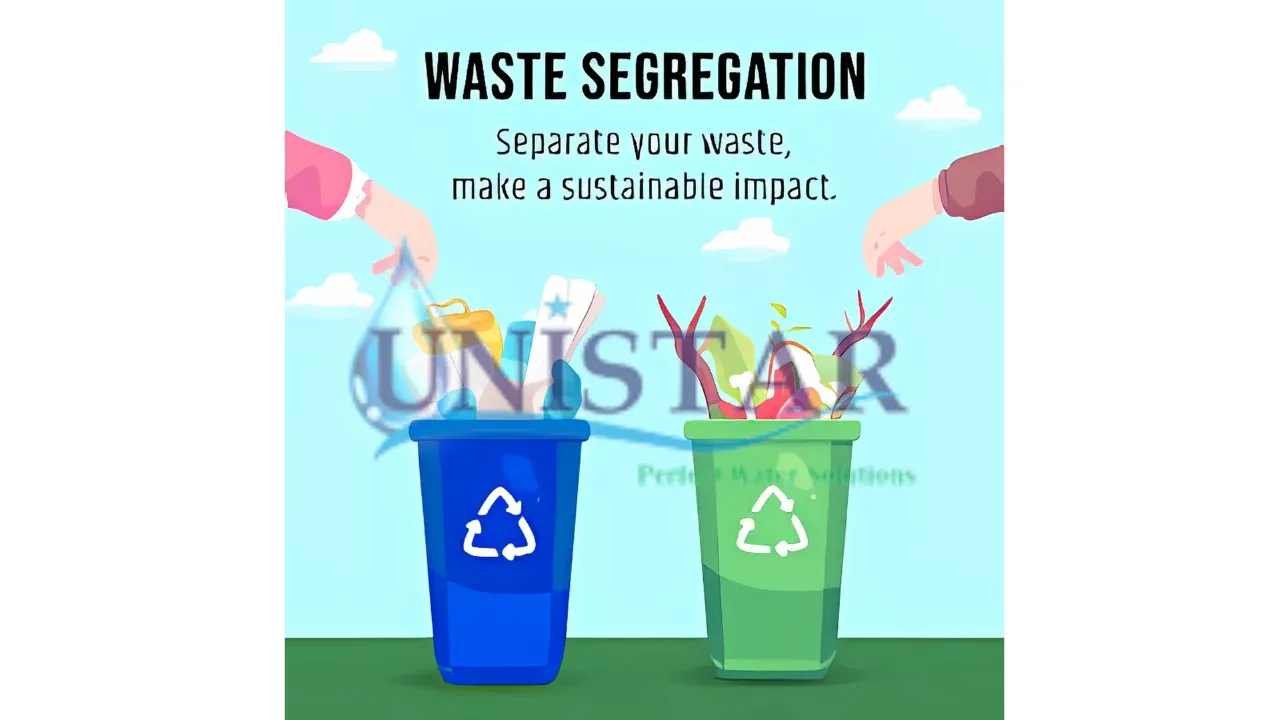
- Use Separate Bins: Have one bin for wet waste (preferably green) and another for dry waste (preferably blue).
- Educate Family or Staff: Make sure everyone in your home or workplace knows which items go into which bin.
- Dispose Responsibly: Make arrangements with local waste collectors who handle segregated waste properly.
Benefits of Separating Dry and Wet Waste
- Enhances Recycling Efficiency– When dry waste like plastic, paper, and metals is kept separate, it remains uncontaminated and can be easily recycled into new products, saving energy and resources.
- Promotes Composting– Wet waste, mainly food and organic materials, can be composted to create nutrient-rich manure. This reduces the need for chemical fertilizers and supports healthier agriculture.
- Reduces Landfill Burden- Segregated waste means less garbage goes to landfills. This helps in managing the ever-growing waste problem and extends the lifespan of landfill sites.
- Minimizes Environmental Pollution- Proper waste separation reduces soil, water, and air pollution caused by unmanaged waste and landfill overflow.
- Supports Cleaner and Healthier Communities- Well-managed waste results in cleaner neighborhoods, prevents the spread of diseases, and controls foul odors and pests.
- Economic Benefits- Recycling dry waste creates job opportunities in the recycling and waste management sector while also saving costs on waste disposal.
How to Dispose of Dry Waste Safely
Dry waste should first be sorted according to its material type. Paper, cardboard, plastic, metal and glass can often be recovered through recycling systems when they are clean and suitable for processing.
Keep recyclable materials dry and avoid mixing them with food waste. Glass items should be handled carefully to prevent injuries during collection and transportation. Sharp or broken materials should be packed safely and labelled where necessary.
Electronic items, batteries, electrical equipment and other specialized materials should not be placed in ordinary dry-waste bins. These should be handed over to appropriate collection points or authorized recycling facilities.
The objective is not simply to throw dry waste away, but to identify which materials can be reused, recycled, recovered or require specialized disposal.
Wet and Dry Waste Management in Industries
Industries, manufacturing facilities, commercial buildings and large institutions can generate significantly higher quantities of wet and dry waste than individual households. A systematic waste-management plan is therefore important for controlling waste at the source and improving resource recovery.
The process should begin with waste identification and segregation. Different waste streams should be identified according to their origin and characteristics. Separate collection points and clearly labelled containers can then be established for biodegradable waste, recyclable dry waste, sanitary waste, e-waste and hazardous materials, wherever applicable.
Organic or wet waste generated from canteens, food-processing areas and landscaping activities can be directed towards suitable composting or organic-waste treatment systems. Dry recyclable materials such as cardboard, plastic, metal and glass can be sorted and transferred to appropriate recycling channels.
Industries should also maintain suitable storage areas for different waste categories to prevent cross-contamination. Collection frequency should be based on the quantity and nature of waste generated.
For larger facilities, waste audits can help identify the major sources of waste and opportunities for reduction, reuse and recovery. Proper documentation, employee awareness, staff training and periodic monitoring can further improve segregation performance.
A well-planned industrial waste-management system can reduce the amount of waste sent to disposal facilities, improve material recovery and create a cleaner and more organized working environment. Where wastewater or sewage is also generated, it should be handled through an appropriately designed treatment system rather than being mixed with solid waste streams.